After servicing more than 200 fitness facilities across the Tampa Bay region, JAN-PRO has identified critical cleaning zones that most janitorial teams overlook: equipment undercarriage areas, cable machine housings, dumbbell rack joints, locker room ceiling vents, and foam roller storage bins. These high-contact, low-visibility zones harbor the highest bacterial concentrations and drive member complaints when neglected.
Fitness facilities present unique sanitation challenges that standard office cleaning protocols simply cannot address. We’ve documented specific contamination patterns that recur across large chain gyms, boutique studios, and hotel fitness centers throughout Tampa, St. Petersburg, and Clearwater. Understanding these blind spots transforms member retention and reduces health liability exposure.
The Five Overlooked Zones in Every Gym Facility
Most commercial cleaning contracts cover visible surfaces: mirrors, cardio screens, and floor mopping. The problem zones exist where sweat, skin cells, and bacteria accumulate without obvious visual cues. Our teams identify these areas through ATP testing and member feedback analysis.
Zone 1: Equipment Undercarriage and Base Plates
Treadmill bases, elliptical footplates, and stationary bike pedestals collect sweat drips that standard wipe-downs miss entirely. We’ve observed caked residue on equipment frames that hadn’t been properly cleaned in months despite daily surface maintenance.
- Treadmill motor housing vents trap dust mixed with sweat vapor
- Bike seat adjustment columns accumulate hand oils and cleaning spray residue
- Elliptical base joints collect debris that becomes sticky over time
- Cable machine pulleys house lint and skin particles in mechanical gaps
- Weight stack guide rods develop buildup that affects equipment performance
Zone 2: Dumbbell and Weight Rack Contact Points
Rubber-coated dumbbells receive surface cleaning, but the rack cradles, weight plate holes, and barbell sleeves remain contaminated. These contact points transfer bacteria between users more efficiently than the weights themselves.
| Equipment Component | Contamination Source | Cleaning Frequency Needed |
| Dumbbell rack cradles | Hand oils, chalk dust, sweat transfer | Daily deep cleaning |
| Weight plate storage pegs | Rust particles, grip residue | Three times weekly |
| Barbell collar threads | Chalk buildup, metal oxidation | Weekly inspection cleaning |
| Kettlebell handle bases | Accumulated hand oils, powder residue | Daily targeted cleaning |
Zone 3: Locker Room Ceiling and Upper Wall Sections
Shower steam rises and condenses on ceiling tiles, vent covers, and upper wall corners. This moisture creates mold and mildew growth that members smell before they see it. Standard floor-level cleaning misses these elevated problem areas entirely.
Zone 4: Group Fitness Props and Storage
Yoga mats, foam rollers, resistance bands, and step platforms get wiped down between classes, but their storage bins, wall hooks, and stacking carts remain neglected. Cross-contamination happens during storage, not just during use.
- Foam roller storage bins accumulate dust and sweat residue on interior surfaces
- Resistance band hooks develop sticky buildup from latex deterioration
- Yoga mat shelving units trap moisture between stacked mats
- Step platform risers collect debris in adjustment notches
- Medicine ball racks need disinfection on ball contact points, not just the balls
Zone 5: HVAC Return Vents and Air Handler Access Panels
Gyms generate extraordinary airborne particulate matter from chalk dust, fabric fibers, skin cells, and cleaning aerosols. Return air vents accumulate this material faster than in typical office environments, yet they rarely receive the attention they require.
Knowing where contamination builds up is only half the challenge. The next question is why these areas are so often missed during routine cleaning.
Why Standard Cleaning Protocols Miss These Areas
Traditional janitorial training focuses on visible dirt and high-traffic surfaces. Gym environments demand specialized protocols that most general commercial cleaning services in Tampa don’t provide without specific fitness facility experience.
We’ve seen three primary reasons these zones get overlooked:
- Task-based checklists that emphasize speed over thoroughness: Cleaning crews work from lists that say “wipe equipment” without specifying base plates, undercarriage, or contact points beyond handles and seats.
- Inadequate training on fitness equipment construction: Cleaners who don’t understand how machines are built cannot identify hidden contamination zones or access points that require disassembly.
- Lighting conditions that hide problem areas: Gyms use ambient lighting that creates shadows under equipment, around wall-mounted accessories, and in ceiling corners where issues develop unnoticed.
- Lack of specialized tools for confined spaces: Standard mops and cloths cannot reach equipment joints, rack cradles, or ceiling vents that require extension poles, angled brushes, and narrow cleaning implements.
The Business Impact of Neglected Cleaning Zones
Member complaints about facility cleanliness drive cancellations more than almost any other factor in the Tampa Bay fitness market. When members notice grime in unexpected places, they assume the entire facility receives substandard care.
Our franchise operators who serve gyms throughout Tampa report consistent patterns:
- New member tours get derailed when prospects spot dusty vents or grimy equipment bases
- Online reviews specifically mention “hidden dirt” as evidence of poor management
- Personal trainers complain about equipment residue that affects their professional image
- Group fitness instructors refuse to use props that smell musty or feel sticky
- Maintenance costs increase when equipment grime interferes with mechanical function
Real-World Example: A 15,000-square-foot fitness center in South Tampa experienced a spike in membership cancellations after negative reviews mentioned: “gross equipment that hasn’t been cleaned properly in forever.”
When we conducted a facility assessment, visible surfaces appeared clean, but equipment bases, rack cradles, and ceiling vents showed months of accumulated contamination. After implementing our specialized gym cleaning protocol, member satisfaction scores improved within 30 days and cancellation rates returned to normal levels.
JAN-PRO’s Specialized Gym Cleaning Protocol
Our approach combines the Signature Clean program with fitness-specific protocols developed across hundreds of facility implementations. Every cleaning team receives training on equipment construction, contamination patterns, and proper disinfection techniques for high-contact environments.
Equipment-Specific Cleaning Procedures
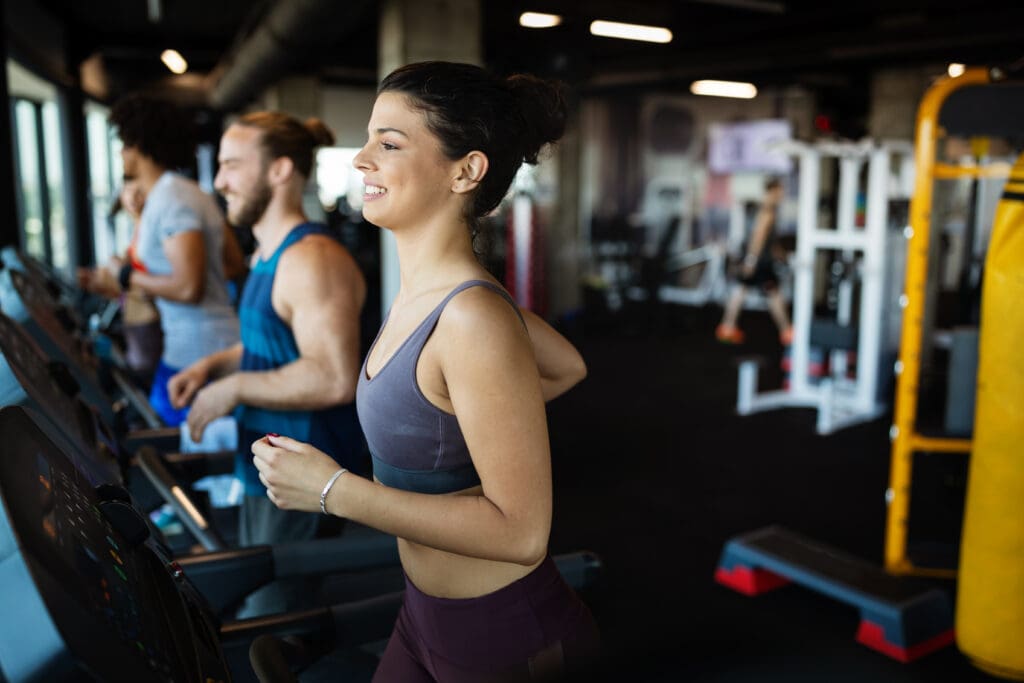
We don’t treat all gym equipment the same way. Cardio machines require different protocols than free weights, and group fitness spaces need distinct approaches from locker rooms.
| Equipment Category | Standard Protocol | JAN-PRO Enhanced Protocol |
| Cardio machines | Wipe screens and handles | Disassemble side rails, clean motor vents, sanitize base plates |
| Free weights | Spray and wipe surfaces | Remove from racks, clean cradles, sanitize grip points and contact surfaces |
| Cable machines | Wipe attachment handles | Clean cable housings, sanitize all attachment points, inspect pulley systems |
| Group fitness props | Quick wipe between classes | Deep clean storage areas, rotate inventory for proper drying, sanitize all contact surfaces |
Air Quality and Ventilation Maintenance
The MedMetrix certification that our teams receive for medical facility cleaning translates directly to gym environments where respiratory health matters. Proper ventilation system maintenance reduces airborne pathogen transmission and eliminates the musty odors that signal poor air quality.
Our ventilation protocol includes:
- Monthly HVAC return vent removal and deep cleaning
- Quarterly air handler access panel inspection and sanitation
- Ceiling tile assessment for water damage and mold growth
- Exhaust fan blade cleaning in locker rooms and shower areas
- Air quality testing in enclosed group fitness studios
Choosing the Right Fitness Facility Cleaning Partner
Not all commercial cleaning companies understand the specific demands of gym environments. When evaluating providers for gym cleaning services in St. Petersburg or anywhere in Tampa Bay, facility managers should ask specific questions about hard-to-reach areas.
Questions to Ask Potential Cleaning Providers
- How do your teams access and clean equipment undercarriage areas?
- What specific protocols address dumbbell rack cradles and weight plate storage pegs?
- How frequently do you deep clean ceiling vents and upper wall sections in locker rooms?
- What system ensures group fitness prop storage areas receive regular sanitation?
- Do your cleaning teams receive training on fitness equipment construction and contamination patterns?
- Can you provide ATP testing results that demonstrate cleanliness in hidden zones, not just visible surfaces?
Red Flags in Cleaning Service Proposals
Watch for these warning signs that indicate a provider lacks fitness facility expertise:
- Proposals that only mention “equipment wipe-down” without specifying zones or components
- Cleaning schedules that don’t differentiate between office areas and high-contamination gym zones
- No mention of specialized tools for confined spaces or elevated cleaning
- Lack of specific protocols for group fitness spaces versus weight training areas
- General commercial cleaning pricing without gym-specific service tiers
- No reference to industry-specific training or certifications
Implementation: What to Expect from Professional Gym Cleaning
When JAN-PRO begins service at a fitness facility, we start with a comprehensive assessment that documents current conditions in all five overlooked zones. This baseline establishes measurable improvement targets and helps facility managers understand the full scope of required services.
Our typical implementation follows this sequence:
- Week 1: Deep cleaning of all identified problem zones to establish baseline cleanliness
- Week 2-4: Daily maintenance protocols with weekly deep cleaning rotations for specific equipment categories
- Month 2: ATP testing in previously neglected zones to verify protocol effectiveness
- Ongoing: Continuous improvement based on member feedback, facility usage patterns, and seasonal factors
Tampa Bay Context: Humidity levels in our region create accelerated contamination in locker rooms and enclosed spaces. Our protocols account for Florida’s climate with enhanced mold prevention measures and increased ventilation system maintenance frequency.
Frequently Asked Questions
How often should overlooked gym zones be deep cleaned?
Equipment undercarriage areas and rack contact points need weekly deep cleaning at minimum, with daily spot maintenance. Ceiling vents and upper walls require monthly deep cleaning, while HVAC components need quarterly professional service. High-traffic facilities may need more frequent attention based on member volume and usage patterns.
Can regular janitorial staff handle specialized gym cleaning, or do you need dedicated teams?
Effective gym cleaning requires specific training on fitness equipment construction, proper disinfection protocols for high-contact surfaces, and specialized tools for confined spaces. General janitorial staff can learn these skills, but they need comprehensive training and appropriate equipment. JAN-PRO provides fitness-specific certification to ensure consistent results across all facilities.
What’s the cost difference between standard gym cleaning and comprehensive protocols that address overlooked zones?
Comprehensive gym cleaning typically costs 25-40% more than basic surface cleaning, but this investment prevents member cancellations, reduces equipment maintenance expenses, and eliminates health liability exposure. The actual cost depends on facility size, equipment density, operating hours, and member volume. Most Tampa Bay facilities find the member retention benefit alone justifies the additional investment.
How do you verify that hidden zones are actually getting cleaned properly?
JAN-PRO uses ATP (adenosine triphosphate) testing to measure biological contamination in both visible and hidden zones. This objective measurement shows whether cleaning protocols effectively reduce bacterial presence in equipment bases, rack cradles, and other overlooked areas. We also conduct regular photographic documentation and facility walkthroughs with management to ensure accountability.
What should gym managers look for during facility inspections to identify cleaning gaps?
Run your hand along equipment base plates, inside dumbbell rack cradles, and on top of ceiling vents. Check for sticky residue, dust accumulation, or musty odors. Inspect locker room ceiling corners for discoloration or mold. Look at cable machine housings for visible dirt buildup. These simple checks reveal whether cleaning teams address hidden zones or only visible surfaces.
Partner with Tampa Bay’s Fitness Facility Cleaning Experts
JAN-PRO Cleaning & Disinfecting in Tampa Bay brings over two decades of experience serving fitness centers throughout Tampa, St. Petersburg, Clearwater, and Brandon. Our Signature Clean program and MedMetrix certification ensure your facility receives the specialized attention that general commercial cleaning cannot provide.
We understand the specific challenges of Florida’s climate, the expectations of Tampa Bay fitness members, and the competitive pressure to maintain exceptional facility conditions. Our teams identify and address the missed surfaces that drive member complaints and online reviews.
Don’t let hidden contamination zones undermine your facility’s reputation. Contact JAN-PRO of Tampa Bay today to schedule a comprehensive facility assessment and receive a customized cleaning plan that addresses every zone, visible and hidden.
Call (813) 864-1940 or visit our office at 6908 W. Linebaugh Ave. to discuss your fitness facility’s specific cleaning needs.
About the Author
 Laura Ricchino
 Laura Ricchino
Laura Ricchino is Regional Director at JAN-PRO Cleaning Systems of Tampa, based in Florida. She supports operational excellence and growth across the commercial cleaning sector. With a focus on leadership, consistency, and client satisfaction, she works closely with teams to ensure high service standards and strong performance throughout the Tampa Bay region.