
Manufacturing facilities in the Phoenix area experience accelerated floor deterioration due to the unique combination of extreme heat, fine desert dust infiltration, heavy equipment traffic, and demanding production schedules. Over years of servicing aerospace, electronics, and industrial manufacturing sites, we’ve observed that preventive floor care programs reduce costly downtime and extend surface life significantly compared to reactive maintenance approaches.
Phoenix’s manufacturing sector spans aerospace giants, semiconductor fabrication, food processing, and precision electronics assembly. Each facility faces distinct flooring challenges that standard cleaning protocols often miss. The desert environment creates conditions unlike those in humid or temperate climates, requiring specialized knowledge to maintain safe, compliant production floors.
Our franchise owners have cleaned hundreds of manufacturing facilities throughout the Valley, from small job shops near Sky Harbor to sprawling production campuses in Goodyear and Mesa. This direct experience has revealed patterns in floor degradation that affect both operational safety and regulatory compliance.
How Desert Conditions Accelerate Manufacturing Floor Damage
Phoenix’s arid climate and temperature extremes create a harsh environment for industrial flooring. Fine particulate matter penetrates even well-sealed facilities, acting as an abrasive compound that grinds into epoxy coatings, polished concrete, and vinyl composition tile with every forklift pass and foot step.
We’ve documented these primary environmental factors affecting floor longevity in local plants:
- Thermal cycling: Summer floor surface temperatures can exceed 120°F in non-climate-controlled receiving areas, causing expansion and contraction that breaks sealant bonds
- Dust infiltration: Desert particulates smaller than 10 microns bypass standard HVAC filtration and accumulate in floor texture and joints
- Low humidity: Year-round dry conditions cause static electricity buildup and make certain cleaning solutions evaporate before properly lifting contaminants
- UV exposure: Intense sunlight through skylights and windows degrades floor coatings and discolors certain materials within months
- Monsoon mud tracking: Brief but intense summer storms introduce clay-based soil that bonds aggressively to textured surfaces
One electronics manufacturer we service near the Loop 101 experienced premature coating failure in their clean room vestibule. Investigation revealed that afternoon sun through west-facing windows raised floor temperatures enough to soften the epoxy topcoat, which then picked up transferred contamination from shoe traffic.
Common Floor Types and Their Vulnerabilities in Production Environments
Different manufacturing processes demand specific flooring solutions, each with distinct maintenance requirements and failure modes. Matching cleaning protocols to floor composition prevents damage while maintaining the surface properties that production relies on.
| Floor Type | Common Applications | Primary Vulnerabilities | Maintenance Priority |
| Epoxy coating systems | Food processing, pharmaceutical, assembly | Chemical etching, thermal shock, impact cracking | pH-neutral cleaning, immediate spill response |
| Polished concrete | Warehousing, heavy manufacturing, logistics | Abrasion from grit, oil penetration, efflorescence | Dust control, densifier reapplication, stain prevention |
| VCT and LVT | Offices, break rooms, light assembly | Scuff marks, wax buildup, edge lifting | Regular burnishing, strip-and-recoat cycles |
| Urethane cement | Food plants, wet processing, cold storage | Joint separation, moisture intrusion, freeze-thaw damage | Joint inspection, antimicrobial treatment, drainage maintenance |
| Static-dissipative flooring | Electronics assembly, semiconductor | Conductivity loss, contamination sensitivity | Specialized cleaning agents, conductivity testing |
A precision machining facility we serve in Tempe initially used standard floor cleaners on their ESD flooring. Within six months, their grounding measurements showed degraded performance. Switching to approved conductivity-preserving products restored proper static protection and prevented potential component damage.
Production-Specific Contamination Patterns We’ve Identified
Each manufacturing sector generates distinct floor contaminants that require targeted removal strategies. Generic cleaning approaches fail to address these industry-specific challenges, leading to buildup that compromises both safety and product quality.
Our teams have mapped contamination patterns across Phoenix manufacturing segments:
Metalworking and Fabrication
- Coolant misting that creates slippery films requiring emulsifying degreasers
- Metal fines and grinding dust that embed in floor texture and scratch coatings
- Hydraulic fluid drips that penetrate porous surfaces and attract additional dirt
- Welding spatter that bonds to epoxy and requires careful mechanical removal
Food and Beverage Processing
- Organic residue that supports microbial growth in grout lines and expansion joints
- Sugar-based products that caramelize under heat and become difficult to dissolve
- Protein deposits requiring enzymatic cleaners to break down effectively
- Acidic ingredients that etch unprotected concrete and damage certain sealers
Electronics and Semiconductor
- Microscopic particulate contamination visible only under proper lighting
- Outgassing from cleaning products that can contaminate sensitive processes
- Requirement for cleanroom-certified equipment and materials
- Need for documented cleaning validation and surface cleanliness verification
A beverage bottling plant we maintain experienced recurring slip incidents despite frequent mopping. We discovered that standard neutral cleaners weren’t removing the invisible sugar film from beverage splatter. Implementing an enzymatic cleaner eliminated the hazard completely.
The Financial Impact of Inadequate Floor Maintenance Programs
Deferred floor care creates cascading costs that extend far beyond cleaning budgets. Production managers often view floor maintenance as discretionary until deterioration forces expensive emergency responses that disrupt operations.
Key cost drivers we’ve witnessed:
- Premature floor replacement: Industrial flooring systems represent substantial capital investments, with epoxy installations costing thousands per bay and requiring production shutdowns for application and curing
- Safety incidents and liability: Slip-and-fall accidents generate workers’ compensation claims, OSHA citations, lost productivity, and potential litigation exposure
- Equipment damage: Debris and grit tracked from deteriorating floors damages precision machinery, contaminates products, and accelerates component wear
- Regulatory compliance failures: Food safety audits, ISO certifications, and customer quality assessments include floor condition as critical control points
- Production downtime: Emergency floor repairs require line stoppages that cascade through production schedules and delay customer deliveries
One aerospace parts manufacturer delayed recoating their production floor to avoid downtime. When the coating finally failed, emergency replacement required a full week shutdown during peak season, costing them significantly more than planned maintenance would have.
Best Practices for Manufacturing Floor Care in Desert Climates
Effective floor maintenance in Phoenix manufacturing facilities requires adapting standard protocols to account for environmental factors and production realities. The programs that deliver measurable results share common elements focused on prevention rather than correction.
Foundational Program Components:
| Program Element | Frequency | Purpose |
| Dust control and dry soil removal | Daily, sometimes multiple shifts | Prevent abrasive particle accumulation |
| Damp mopping with appropriate chemistry | Daily in high-traffic and spill-prone areas | Remove films and prevent buildup |
| Deep scrubbing with extraction | Weekly to monthly depending on contamination | Remove embedded soils and restore traction |
| Floor coating inspection and touch-up | Quarterly | Identify damage early and prevent expansion |
| Recoating or restoration | Annually to every 3-5 years based on wear | Maintain protective barrier and appearance |
Scheduling Around Production Demands
Manufacturing facilities operate on tight schedules where cleaning cannot interfere with output. Successful programs work within these constraints rather than against them.
Proven scheduling strategies:
- Assign dedicated cleaning zones that can be serviced during shift changes without disrupting workflow
- Coordinate intensive cleaning during planned maintenance windows and holiday shutdowns
- Use quick-dry products and equipment that allow immediate return to service
- Stage supplies and equipment inside the facility to minimize setup time
- Cross-train cleaning staff on safety protocols and production-area requirements
For comprehensive support with commercial floor cleaning in Phoenix manufacturing environments, specialized expertise makes the difference between adequate and exceptional results.
Why Manufacturing Floor Care Requires Specialized Knowledge
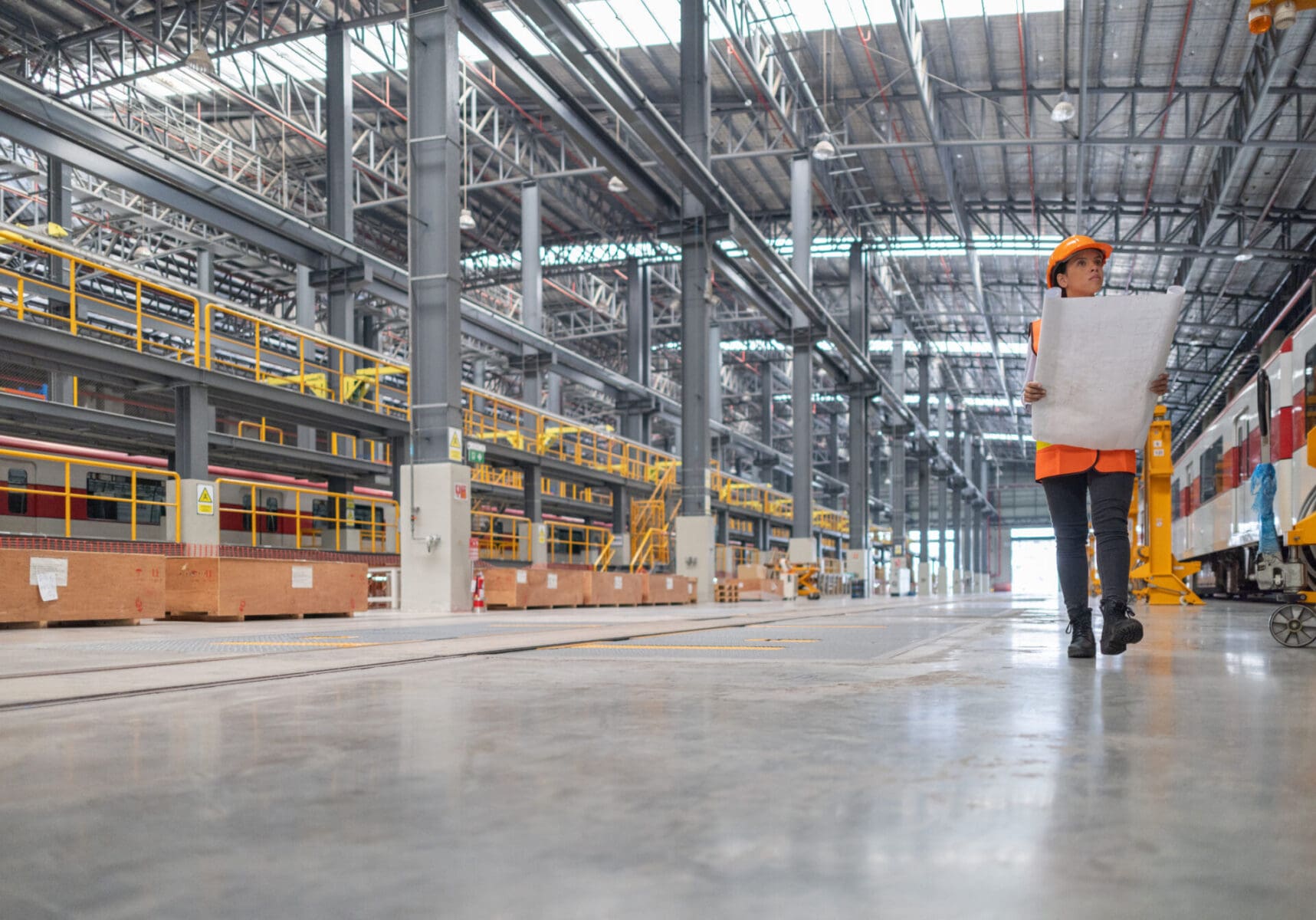
General commercial cleaning companies often lack the equipment, training, and experience necessary for manufacturing environments. The stakes are too high for on-the-job learning when floor failures can halt production or create safety hazards.
Critical competencies for manufacturing floor care:
- Understanding of chemical compatibility with various floor coating systems
- Knowledge of industry-specific regulations (FDA, USDA, ISO, OSHA)
- Proper use of commercial floor equipment including autoscrubbers, burnishers, and extractors
- Recognition of early warning signs that indicate coating failure or substrate damage
- Ability to work safely around operating machinery and production processes
- Documentation practices that support compliance audits and certification renewals
We’ve seen facilities switch to our services after previous vendors used incompatible chemicals that damaged specialized coatings, created safety hazards, or left residues that contaminated products. The cost of correcting these mistakes far exceeded the savings from cheaper service rates.
Frequently Asked Questions
How often should manufacturing floors be professionally deep cleaned?
Most Phoenix manufacturing facilities benefit from deep scrubbing with extraction equipment weekly to monthly, depending on production volume and contamination levels. High-traffic areas near loading docks and material handling zones typically need more frequent attention. Food processing and pharmaceutical facilities often require daily deep cleaning in production zones to maintain compliance.
Can you clean floors without shutting down production lines?
Yes, experienced cleaning teams can service most manufacturing floors during shift changes, breaks, or by working in designated zones that don’t interfere with active production. We coordinate with facility managers to create cleaning schedules that maintain floor condition without impacting output. Only major restoration work like recoating requires production stoppages.
What’s the biggest floor maintenance mistake Phoenix manufacturers make?
The most costly mistake is delaying preventive maintenance until visible damage appears. Desert dust and temperature extremes accelerate wear, so problems develop faster here than in other climates. By the time coating failure is obvious, substrate damage often requires expensive repairs. Regular inspection and proactive care costs far less than emergency restoration.
How do I know if my current floor cleaning is actually working?
Effective floor maintenance shows measurable results: consistent traction (coefficient of friction), absence of visible soil buildup, intact coating without delamination, and passing marks on safety and quality audits. Request slip resistance testing, visual documentation over time, and cleaning validation records. If your provider can’t demonstrate these outcomes, the program needs improvement.
What makes cleaning manufacturing floors different from office spaces?
Manufacturing floors face heavier contamination, chemical exposure, equipment traffic, and regulatory scrutiny that office spaces never encounter. They require industrial-grade equipment, specialized cleaning chemistry, and technicians trained in production environment safety. The floor often serves as a critical control point for product quality and worker safety, not just appearance.
Partner with Phoenix Manufacturing Floor Care Specialists
With over three decades of commercial cleaning experience, our Phoenix franchise owners understand the floor care challenges facing aerospace, electronics, food processing, and industrial facilities. We create customized floor care programs based on your flooring, production processes, traffic, and schedule, using commercial-grade equipment and established protocols.
We’ve helped manufacturing facilities throughout the Valley address floor wear and maintain consistent floor care, from small precision shops to large production campuses.
Contact JAN-PRO in Phoenix at 602-438-1000 for a no-obligation floor care assessment. Our Phoenix office is located at 4511 E Broadway Rd, Phoenix, AZ, and our local team can evaluate your flooring and maintenance needs.
About the Author
Carter James
 Carter James is Vice President of Strategy & Development, leading growth strategy, acquisitions, and multi-market expansion within a facility services platform. His background includes corporate strategy, M&A integration, and franchise development. He partners with senior leadership to drive disciplined execution, scalable operations, and long-term value through data-driven, high-accountability leadership.