Hard surface flooring is common across commercial facilities in Phoenix due to durability, ease of maintenance, and suitability for high-traffic environments. Over time, however, dust, fine sand, oils, and residues accumulate beyond what routine mopping can remove. In these situations, mechanical floor scrubbing becomes an important part of professional floor maintenance.
Understanding when machine scrubbing is appropriate—and when it may be unnecessary—helps facilities protect flooring materials, manage maintenance resources efficiently, and maintain safe, professional environments.
What Is Machine Scrubbing for Hard Surface Floors?
Machine scrubbing is a floor maintenance process that uses a powered floor scrubber equipped with rotating or cylindrical brushes, controlled water flow, and recovery systems. The process removes embedded soil, residues, and contaminants from hard flooring surfaces without excessive moisture exposure.
Unlike manual mopping, mechanical scrubbing applies consistent agitation and controlled pressure, allowing deeper cleaning while preserving surface integrity when performed correctly.
Common Hard Surface Floors in Phoenix Commercial Facilities
Phoenix facilities frequently rely on hard surfaces designed to withstand heat, dust, and heavy foot traffic. Each surface responds differently to mechanical cleaning.
Tile, Concrete, and VCT Comparison
| Flooring Type | Typical Use | Machine Scrubbing Suitability |
| Ceramic / Porcelain Tile | Restrooms, lobbies, breakrooms | Highly suitable for routine scrubbing |
| Polished or Sealed Concrete | Warehouses, retail, corridors | Suitable with proper pressure control |
| VCT (Vinyl Composition Tile) | Offices, healthcare, education | Effective when paired with finish care |
Surface-specific brush selection and pressure calibration are critical to prevent premature wear or finish damage.
When Machine Scrubbing Is Necessary
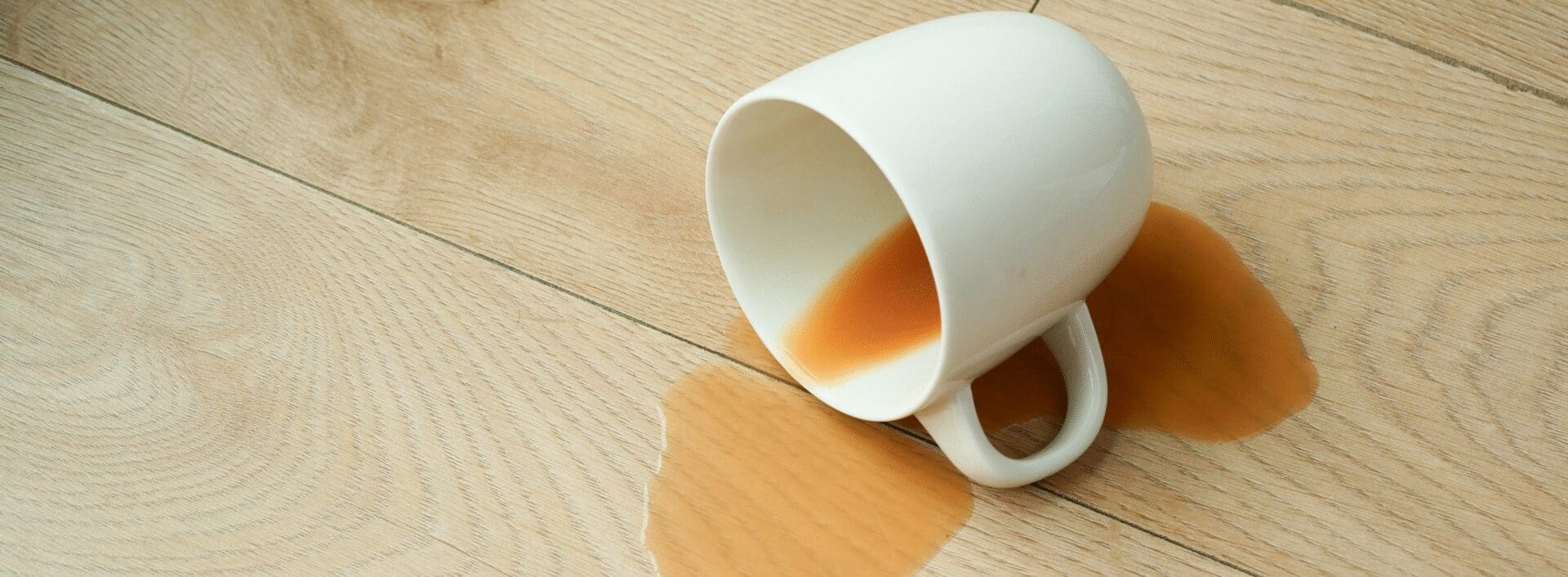
Machine scrubbing is generally appropriate when surface conditions exceed the capability of routine cleaning. Common indicators include:
- Visible traffic lanes or dull appearance
- Embedded dust is common in desert environments
- Slip resistance concerns in entrances or corridors
- Residue buildup from cleaning products or spills
Facilities with high foot traffic or frequent public access often incorporate scheduled mechanical scrubbing as part of broader commercial cleaning services in Phoenix to maintain consistent safety and appearance standards.
When Machine Scrubbing May Not Be Required
Mechanical scrubbing is not always necessary. In lower-traffic environments or recently maintained facilities, routine cleaning methods may be sufficient. Situations where machine scrubbing may be unnecessary include:
- Lightly used office areas
- Newly installed or recently restored floors
- Spaces with effective daily dust control
Over-scrubbing can reduce finish lifespan, particularly on VCT or sealed surfaces, emphasizing the importance of condition-based maintenance planning.
Operational and Safety Considerations
Improper mechanical scrubbing can introduce risks rather than benefits. Common issues include:
- Excessive water use leading to slip hazards
- Incorrect pad or brush selection
- Inadequate soil recovery, leaving residues
The National Floor Safety Institute emphasizes that improper floor maintenance can directly affect slip-and-fall risk in commercial environments. Professional protocols address these risks through documented procedures and equipment standards.
Cost-Saving Strategies Without Reducing Floor Performance
Facilities often reduce long-term maintenance costs by applying strategic floor care practices rather than reactive deep cleaning. Effective approaches include:
- Scheduled scrubbing based on traffic patterns
- Proper entryway matting to reduce soil intrusion
- Coordinated cleaning tasks to minimize redundant labor
These strategies help extend floor lifespan while maintaining cleanliness and safety.
How Professional Providers Approach Machine Floor Scrubbing
Established commercial cleaning providers approach mechanical scrubbing as part of a structured floor maintenance system rather than an isolated task. This typically includes:
- Floor material assessment
- Soil load evaluation
- Equipment and pad selection
- Post-clean inspection and documentation
JAN-PRO Cleaning & Disinfecting, founded in 1991, supports certified franchisees through standardized processes and operational guidance. Within the Phoenix market, this structured approach allows consistent execution across a range of facility types while aligning with broader floor cleaning care programs.
Visual Impact of Proper Machine Scrubbing
While before-and-after visuals vary by surface type, professionally scrubbed floors typically show:
- Improved surface uniformity
- Restored reflectivity on finished floors
- Reduced visible soil in grout lines and textured concrete
Visual improvement is a secondary outcome of proper mechanical cleaning, supporting overall facility presentation.
Matching Floor Scrubbing to Facility Needs
Machine scrubbing plays a critical role in maintaining hard surface floors when applied based on surface type, traffic level, and condition. Overuse can shorten floor life, while underuse can compromise safety and appearance. Strategic assessment ensures mechanical cleaning is applied only when beneficial.
JAN-PRO Cleaning & Disinfecting in Phoenix applies structured floor care methodologies supported by franchisee training and operational oversight. For facilities evaluating professional hard floor maintenance, JAN-PRO Cleaning & Disinfecting can be contacted at 602-438-1000 or visited at 4511 E Broadway Rd., Phoenix, AZ, for additional information on commercial cleaning solutions.