If your cleaning vendor uses these three terms interchangeably, that’s a problem. For Phoenix businesses operating in the heat, dust, and regulatory environment of the Valley, understanding the difference between cleaning, sanitizing, and disinfecting is not just a technical detail — it directly affects employee health, compliance status, and the liability exposure of your facility.
Walk through almost any commercial building in Phoenix, and you’ll hear the same phrase: “We clean and disinfect.” Ask what that means specifically, and most people — including facility managers — will describe one process, not three.
That confusion is common. It’s also costly. Businesses that treat cleaning, sanitizing, and disinfecting as synonyms often end up over-applying products where they aren’t needed, under-applying them where they are, skipping critical steps that make chemical treatments ineffective, and failing health inspections conducted by Maricopa County Environmental Health or ADOSH, Arizona’s occupational safety and health division.
This guide clarifies each process, explains when Phoenix businesses need each one, and shows what a properly structured cleaning protocol looks like for the most common commercial facility types in the Valley.
The Three Processes: What Each One Actually Does
The CDC, EPA, and commercial cleaning industry all define these three terms with precision. Here is what each one means:
What Is Cleaning?
Cleaning is the physical removal of visible dirt, dust, grease, and debris from surfaces. It is done with detergent, soap, or solvent combined with mechanical action — wiping, scrubbing, mopping, or vacuuming. Cleaning on its own does not kill germs or viruses. It reduces their numbers by physically removing them, but it does not eliminate the microbial risk on a surface.
However, cleaning is always the required first step. Sanitizers and disinfectants applied to a dirty surface are significantly less effective because organic matter — dust, grease, food residue — blocks or neutralizes the active chemical ingredients before they can reach the pathogens on the surface itself.
What cleaning achieves: Removes visible contamination. Prepares surfaces for sanitizing or disinfecting. Reduces germ counts through physical removal.
What cleaning does not achieve: Does not kill bacteria or viruses to any verified standard. Does not satisfy sanitization or disinfection requirements for regulated facilities.
What Is Sanitizing?
Sanitizing reduces the number of bacteria on a surface to levels considered safe by public health standards. Per CDC guidelines, a sanitizer must reduce a specific test bacterium by 99.999% (a 5-log reduction) within 30 seconds. Sanitizers are registered with the EPA and must be applied to pre-cleaned surfaces to work at the required efficacy.
Critically, sanitizing is primarily a bacteria-reduction process. Most EPA-registered sanitizers do not have efficacy claims against viruses. This is why sanitizing alone is insufficient for facilities with viral pathogen risk — influenza, norovirus, respiratory viruses — particularly in Phoenix’s densely occupied office parks, gyms, and medical corridors in areas like the Camelback corridor, Tempe, and North Phoenix.
What sanitizing achieves: Reduces bacteria to safe levels quickly. Required for food-contact surfaces in restaurants and food-service operations per the FDA Food Code. Appropriate for lower-risk surfaces in offices and retail.
What sanitizing does not achieve: Does not kill viruses (most products lack this EPA claim). Does not sterilize. Not a substitute for disinfection in healthcare or high-risk environments.
What Is Disinfecting?
Disinfecting kills bacteria and viruses on surfaces using EPA-registered chemical agents. Disinfectants must carry an EPA Registration Number on the label — that registration is what legally allows a product to make efficacy claims against specific pathogens. A product cannot call itself a disinfectant without it.
Disinfecting is more thorough than sanitizing but requires proper application. Two factors determine whether disinfection actually works: dwell time (how long the product must remain wet on the surface to kill the target pathogen) and surface preparation (the surface must be clean first). Wiping a surface with a disinfectant wipe and immediately drying it may not meet the dwell time requirement on the product label — which means the disinfection claim is not being met, even though the process looks identical from the outside.
What disinfecting achieves: Kills bacteria and viruses on surfaces as specified on the EPA-registered product label. Required for healthcare facilities, daycares, regulated food-service environments, and any surface with high-risk pathogen exposure. Reduces cross-contamination risk significantly.
What disinfecting does not achieve: Does not sterilize (sterilization eliminates all microbial life and is reserved for surgical instruments and laboratory equipment). Does not work effectively on uncleaned surfaces.
A Clear Summary
| Process | What it does | Kills bacteria? | Kills viruses? | EPA registration required? |
| Cleaning | Removes visible dirt and debris | Partially (physical removal only) | No | No |
| Sanitizing | Reduces bacteria to safe levels (99.999% in 30 sec) | Yes (bacteria only) | Usually not | Yes |
| Disinfecting | Kills bacteria and viruses per EPA label claims | Yes (~100% of listed pathogens) | Yes (per label) | Yes |
Why This Distinction Matters Specifically in Phoenix
Phoenix’s operating environment creates specific conditions that affect how businesses need to approach each of these three processes. Most commercial cleaning guides are written for moderate climates. The Valley is different in several ways that directly affect surface hygiene and indoor air quality.
Extreme Heat and Sealed Buildings
Phoenix businesses run air conditioning at full capacity for five to six months of the year, with outdoor temperatures regularly exceeding 110°F during summer. Windows stay closed. Fresh air exchange is limited. Indoor air — including dust, allergens, VOCs from cleaning products, and airborne particulates — recirculates through HVAC systems without the natural ventilation that moderates contamination levels in cooler climates.
This matters for cleaning protocols because surfaces in sealed, high-traffic buildings accumulate contaminants faster. A cleaning schedule calibrated for a Seattle or Chicago office may be meaningfully insufficient for a Phoenix office building operating in the same square footage with similar occupancy.
Dust Storms and Haboob Events
Phoenix experiences haboobs — large dust storms — particularly during the summer monsoon season from June through September. A single haboob can deposit significant amounts of fine particulate matter on interior surfaces through HVAC intake systems and door seals. That dust carries bacteria, fungal spores, and allergens that require actual cleaning — physical removal — before any sanitizing or disinfecting protocol is effective.
Businesses along the South Mountain, Ahwatukee, and East Valley corridors that sit closer to desert terrain are particularly affected. Post-storm cleaning is not a cosmetic step — it is a prerequisite for the sanitizing and disinfecting steps that follow.
High-Density Commercial Corridors
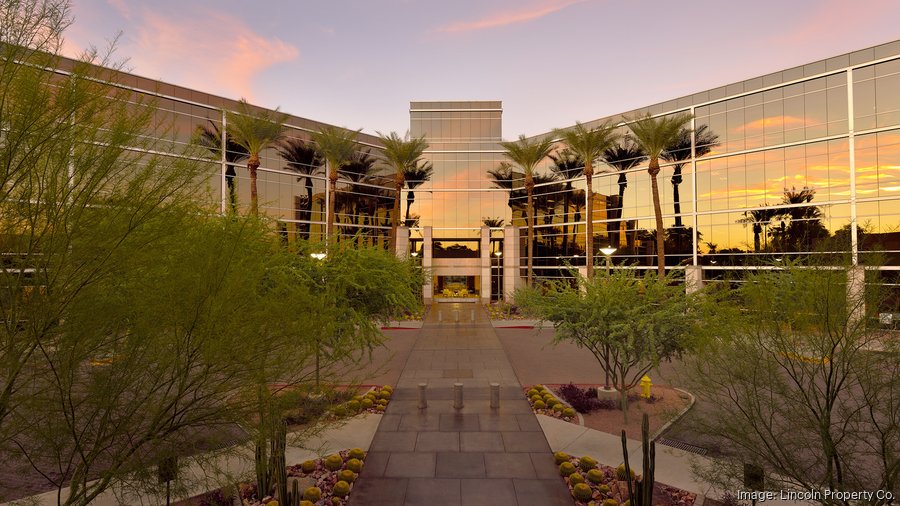
Phoenix is home to densely occupied commercial campuses along Camelback Road, Central Avenue, the I-10 and I-17 corridors, Tempe Town Lake, and the rapidly growing North Phoenix and Scottsdale areas.
These environments — medical offices, shared coworking spaces, corporate campuses, hospitality facilities — involve high employee and visitor turnover, which increases surface contamination rates and raises the risk profile for viral transmission if disinfection protocols are applied inconsistently.
Maricopa County and ADHS Regulatory Environment
Maricopa County Environmental Health enforces food-service sanitation requirements across Phoenix, including the requirement that food-contact surfaces be sanitized — not merely cleaned — after each use.
The Arizona Department of Health Services (ADHS) regulates medical, dental, daycare, and care facility environments with specific disinfection standards. ADOSH, Arizona’s occupational safety authority operating under the federal OSHA State Plan, requires all private-sector employers to maintain safe, sanitary workplaces.
These are not suggestions. Facilities that confuse cleaning with sanitizing or disinfecting during a Maricopa County inspection can face citations, temporary closures, and remediation requirements. A documented, protocol-driven cleaning program is part of compliance — not separate from it.
Which Process Does Your Phoenix Facility Actually Need?
The right combination of cleaning, sanitizing, and disinfecting depends on your facility type, the surfaces involved, the level of foot traffic, and the regulatory requirements that apply to your industry. Here is a breakdown for the most common commercial facility types in the Phoenix metro area.
Corporate Offices and Coworking Spaces
Standard office environments need regular cleaning (daily to several times per week depending on occupancy) and targeted disinfection of high-touch surfaces — door handles, elevator buttons, shared conference room equipment, kitchen appliances, restroom fixtures — at least daily.
Sanitizing is appropriate for kitchen and break room surfaces that contact food. Full disinfection of all surfaces every day is neither necessary nor practical, and over-applying disinfectants increases chemical exposure for occupants and HVAC contamination risk.
Protocol priority: Daily cleaning. High-touch surface disinfection daily. Kitchen and break room sanitizing after each use.
Restaurants and Food-Service Businesses
This is the highest-scrutiny category for Maricopa County Environmental Health. Food-contact surfaces must be cleaned, rinsed, and sanitized after each use per the FDA Food Code (Section 4-501.114). The sequence — clean, rinse, sanitize — cannot be skipped or reordered.
Sanitizing without prior cleaning leaves organic matter that neutralizes the sanitizer before it reaches the bacteria on the surface. Non-food-contact surfaces (floors, walls, hoods) require cleaning and periodic disinfection.
Protocol priority: Food-contact surfaces: clean-rinse-sanitize after every use. Non-food surfaces: cleaning at minimum daily, disinfection per schedule. Post-service full cleaning and sanitizing of all prep areas before close.
Medical and Dental Offices
Medical facilities in Phoenix, from urgent care clinics near Desert Ridge to dental practices in Scottsdale and pediatric offices in Chandler, require the most rigorous protocol. ADHS regulations and CDC infection control guidelines mandate disinfection (not just sanitizing) of all patient-contact surfaces between appointments.
EPA-registered, hospital-grade disinfectants with documented dwell times are required. High-touch areas in waiting rooms, such as chairs, check-in terminals, pens, and door handles, should be disinfected multiple times per day.
Protocol priority: All patient-contact surfaces: clean then disinfect between each patient. Waiting rooms and reception: disinfect high-touch points every 2–4 hours. Restrooms: disinfect at minimum twice daily.
Daycares and Preschools
Arizona Department of Health Services licensing requirements for childcare facilities require documented cleaning and disinfection of diaper-changing areas, bathrooms, and any surface that contacts bodily fluids.
Because children have developing immune systems and frequently touch their faces, the combination of effective cleaning and proper disinfection is critical — but equally important is using products that are safe for use around children. EPA-registered disinfectants must be fully dry and ventilated before children re-enter the area.
Protocol priority: Diaper areas and bathrooms: clean and disinfect after every use. Toys and shared surfaces: clean and sanitize or disinfect daily. Floors: clean daily; disinfect at least twice per week.
Gyms and Fitness Centers
Phoenix’s fitness industry — particularly the concentration of gyms, CrossFit boxes, and training studios across Scottsdale, Tempe, Gilbert, and central Phoenix — involves surfaces with extremely high body-fluid contact: equipment handles, benches, mats, locker room floors and benches.
Sanitizing alone is insufficient because the pathogen risk includes both bacteria (MRSA, staph) and viruses (norovirus, influenza). EPA-registered disinfectants are required for equipment surfaces. Members wiping equipment with standard sanitizing wipes between uses is not a substitute for scheduled professional disinfection of all surfaces.
Protocol priority: Equipment surfaces: disinfect with EPA-registered products at minimum daily (more frequently for peak-use periods). Locker rooms: clean and disinfect floors, benches, and fixtures daily. High-touch entry/reception surfaces: disinfect multiple times per day.
Retail Stores
Retail environments primarily need consistent cleaning and targeted disinfection of high-touch points: point-of-sale terminals, door handles, fitting room surfaces, and shopping cart handles.
Restrooms require disinfection on a scheduled frequency based on foot traffic. In high-traffic Phoenix retail corridors — Scottsdale Fashion Square, Chandler Mall, Desert Ridge Marketplace — this means multiple cleaning cycles per day during peak periods.
Protocol priority: Cleaning throughout the day. High-touch point disinfection at minimum twice daily. Restrooms: disinfect on a frequency matched to foot traffic volume.
The Most Common Mistakes Phoenix Businesses Make with These Three Processes
Based on the recurring patterns that emerge across commercial facilities in the Valley, these are the errors that most consistently undermine cleaning protocol effectiveness:
1. Skipping the Cleaning Step Before Disinfecting
This is the single most common failure in commercial settings. A surface visibly wiped with a disinfectant product looks clean. But if the surface had not been cleaned first, organic matter on the surface — dust, grease, bodily residue — absorbs or neutralizes the active ingredient before it can kill the target pathogens. The disinfection claim on the product label was not met. You spent the time and product, but the outcome is the same as not disinfecting at all.
The correct sequence, every time: clean → rinse if required → sanitize or disinfect → observe dwell time → wipe or allow to dry per label directions.
2. Not Observing Dwell Time
Every EPA-registered disinfectant specifies a dwell time — the minimum number of minutes the product must remain wet on the surface to kill the organisms listed on its label. Most range from 1 to 10 minutes. In practice, staff frequently spray and immediately wipe, which does not meet the dwell time requirement. The surface looks disinfected. It was not.
This issue is compounded in Phoenix commercial settings where HVAC systems and low humidity can cause product to dry faster than in more humid climates, further reducing effective contact time.
3. Using Non-EPA-Registered Products and Calling It Disinfection
Many commercial facilities use general-purpose cleaners or fragrance-based sprays and describe the process as “disinfecting.” Without an EPA Registration Number on the label, a product makes no verified efficacy claim against any pathogen. It is a cleaning product.
Using it in a medical facility, daycare, or food-service environment and documenting it as disinfection creates a compliance exposure if that documentation is reviewed during an inspection.
4. Applying the Same Protocol to Every Surface
A floor in a reception area does not have the same risk profile as a patient examination table or a food-prep cutting board. Applying full disinfection protocols to low-risk surfaces wastes chemical product, increases occupant chemical exposure, and can damage certain materials over time.
Applying only cleaning to high-risk surfaces creates the opposite problem. An effective protocol differentiates surfaces by risk level and applies the appropriate process accordingly.
5. Treating “Green Cleaning” as Incompatible with Disinfection
Many Phoenix businesses have adopted green cleaning commitments for sustainability or occupant health reasons — a legitimate priority. But some facilities interpret this as avoiding disinfectants entirely, which is not how green cleaning works.
EPA’s Safer Choice program registers disinfectants that meet both efficacy and reduced-chemical-hazard standards. Green cleaning and effective disinfection are compatible. The goal is selecting the right EPA-registered product with the appropriate safety profile for each application — not eliminating disinfection from the protocol.
What a Properly Structured Cleaning Protocol Looks Like for Phoenix Businesses
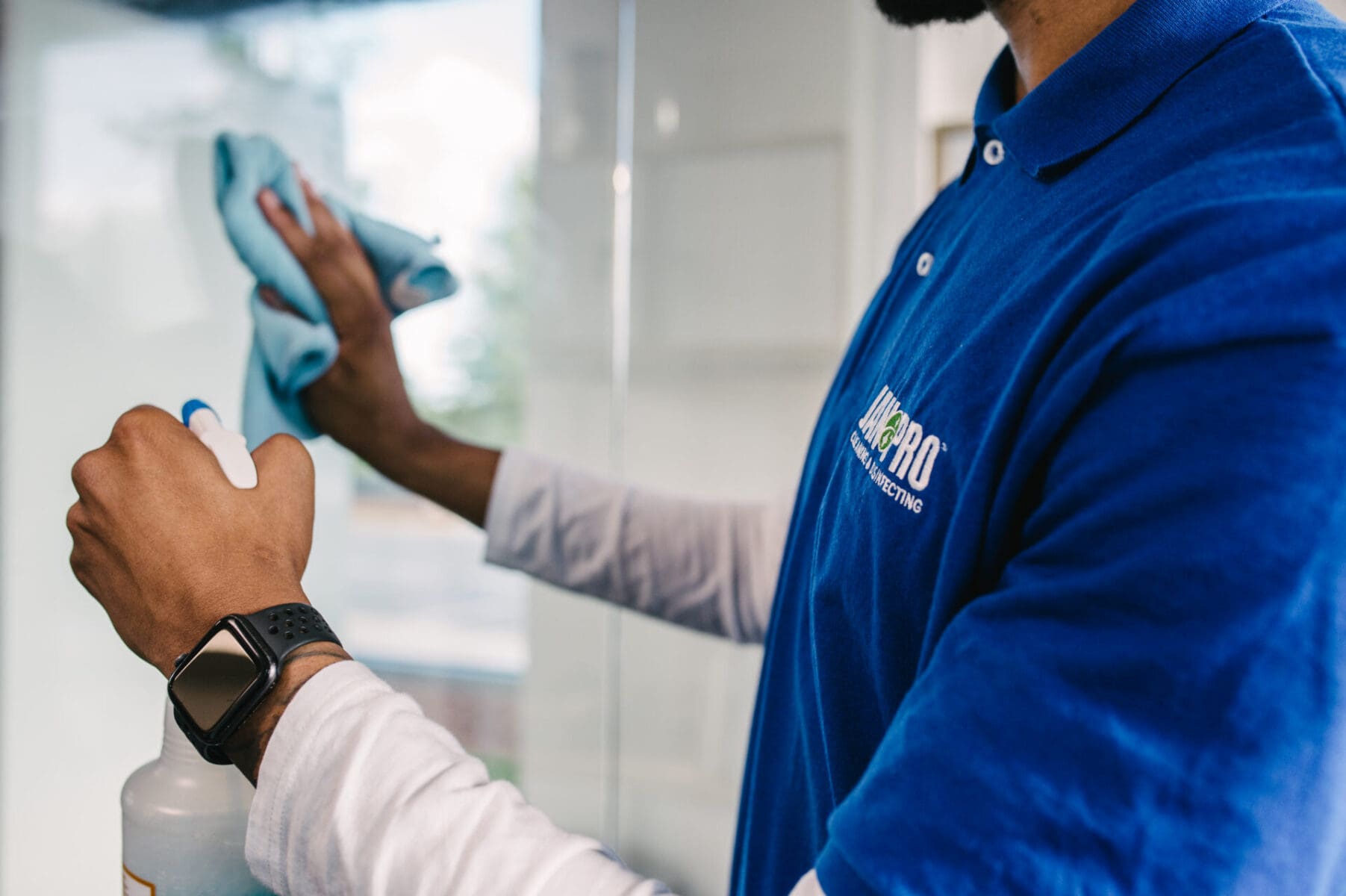
A documented, facility-specific cleaning protocol covers three things: the correct sequence of processes for each surface type, the products used (with EPA registration numbers), and the frequency matched to the risk level of each area. Here is the framework JAN-PRO service coordinators use when building programs for Phoenix-area facilities:
Step 1: Surface and Risk Assessment
Every surface in your facility is categorized by contact type and risk level. High-touch, high-risk surfaces (patient contact areas, food prep surfaces, shared equipment) require cleaning followed by disinfection on a scheduled frequency.
Medium-touch surfaces (conference tables, shared office equipment) require cleaning and periodic disinfection. Low-touch surfaces (walls, ceilings, storage areas) require cleaning only on a maintenance schedule.
Step 2: Product Selection with EPA Registration
Each surface category is matched to a product with the correct EPA registration for the required outcome. For food-contact surfaces in Phoenix restaurants, this means an EPA-registered sanitizer approved for use without rinsing at the specified concentration.
For medical surfaces, this means an EPA-registered hospital-grade disinfectant with efficacy claims against the pathogens relevant to your patient population. For general commercial surfaces, this may mean a dual-purpose cleaner-disinfectant registered for both functions.
Step 3: Sequence and Dwell Time Adherence
Cleaning always precedes sanitizing or disinfecting. Dwell times are documented for every disinfectant in the program and enforced in training. Staff does not wipe disinfectant immediately upon application — the product must remain wet on the surface for the specified time.
Step 4: Frequency Matched to Phoenix Conditions
Cleaning schedules account for Phoenix-specific factors: increased dust accumulation during monsoon season, elevated HVAC contaminant recirculation during summer sealed-building periods, and the higher surface contamination rates that come with dense commercial occupancy.
A facility’s cleaning frequency is not a fixed number — it adjusts based on occupancy levels, seasonal conditions, and any elevated-risk events such as a post-haboob cleaning or a documented illness event in the workplace.
Step 5: Documentation
For regulated facilities in Phoenix — restaurants, medical offices, daycares — documentation of cleaning and disinfection activities is not optional. Maricopa County Environmental Health and ADHS inspectors may request cleaning logs, product labels, and training records. A professional commercial cleaning partner provides documentation at every service visit, creating a defensible record that supports your compliance status.
Frequently Asked Questions
What is the difference between cleaning, sanitizing, and disinfecting?
Cleaning removes visible dirt, dust, and debris from surfaces using detergent and physical action — it does not kill germs. Sanitizing reduces bacteria on a surface to safe levels as defined by public health standards (a 99.999% reduction in 30 seconds per CDC guidelines). Disinfecting kills nearly all bacteria and viruses on surfaces using EPA-registered chemicals applied with the correct dwell time. All three serve different purposes and should be applied based on the surface type, use, and risk level of your facility.
Does Phoenix’s climate affect how often businesses need to disinfect?
Yes. Phoenix’s extreme heat, dust storms, and extended HVAC-sealed indoor seasons create conditions where dust, allergens, and airborne particulates accumulate rapidly on surfaces. Buildings that keep windows closed for months due to summer temperatures exceeding 110°F experience higher indoor pollutant concentrations. This means surface cleaning and disinfection schedules for Phoenix facilities often need to be more frequent than what standard commercial cleaning guides — calibrated for moderate climates — recommend.
Which businesses in Phoenix are required to disinfect, not just clean?
Medical and dental offices, daycares, restaurants and food-service businesses, gyms with bodily-fluid contact surfaces, and any facility regulated by Maricopa County Environmental Health or the Arizona Department of Health Services (ADHS) must follow disinfection protocols. ADOSH, Arizona’s occupational safety authority, also requires all private-sector employers to maintain safe and sanitary workplaces under the Arizona State Plan.
Does cleaning always need to happen before sanitizing or disinfecting?
Yes, always. Sanitizers and disinfectants cannot work effectively on dirty surfaces because organic matter neutralizes or physically blocks the active chemical ingredients before they reach the pathogens. This is one of the most consistently misunderstood requirements in commercial cleaning. Cleaning must always come first, regardless of the surface, industry, or product being used.
How do I know if a disinfectant is EPA-registered?
Look for an EPA Registration Number on the product label. A disinfectant cannot legally make efficacy claims, such as killing a specific virus or bacteria, without being registered with the EPA. If a product does not display an EPA Registration Number, it is not a legally recognized disinfectant, regardless of what its marketing claims. JAN-PRO franchisees use EPA-registered disinfectants with verified dwell times and documented protocols for every Phoenix facility we service.
The Bottom Line for Phoenix Business Owners
Cleaning, sanitizing, and disinfecting are three separate processes. Each one has a defined purpose, a required sequence, and specific conditions under which it is effective.
For Phoenix businesses — operating in a climate that accelerates surface contamination, under a regulatory environment that requires documented protocols for multiple industry types — treating these as interchangeable is not a minor oversight. It affects employee health, customer safety, compliance status, and liability exposure.
A professional commercial cleaning partner does not just show up and wipe surfaces. A qualified janitorial company in Phoenix builds a documented, risk-stratified protocol specific to your facility, uses EPA-registered products with the correct application methods, and provides the documentation that supports your compliance record.
JAN-PRO Cleaning & Disinfecting in Phoenix provides certified commercial cleaning, sanitizing, and disinfection services for offices, medical facilities, restaurants, daycares, gyms, retail spaces, and more throughout the Phoenix metro area — including Scottsdale, Tempe, Chandler, Gilbert, Glendale, and Peoria.
Get your free, custom cleaning blueprint today. No strings attached.
Call us at 602-438-1000 or visit our office at 4511 E Broadway Rd, Phoenix. A service coordinator will follow up within one business day.
About the Author
Carter James
 Carter James is Vice President of Strategy & Development, leading growth strategy, acquisitions, and multi-market expansion within a facility services platform. His background includes corporate strategy, M&A integration, and franchise development. He partners with senior leadership to drive disciplined execution, scalable operations, and long-term value through data-driven, high-accountability leadership.