Medical facilities in Denver carry a level of responsibility that goes far beyond looking clean. Patients, staff, visitors, and care teams all depend on healthcare environments that are consistently cleaned, disinfected, and maintained with the right procedures.
From outpatient clinics and dental offices to specialty practices, urgent care centers, surgery centers, and larger healthcare facilities, every space has different risks. A waiting room does not require the same process as an exam room. A restroom does not require the same process as a treatment area. A terminal cleaning task does not follow the same approach as routine daily cleaning.
That is why medical facility cleaning requires more than basic janitorial service. It requires trained teams, defined procedures, appropriate disinfectants, documentation, and a clear understanding of how cleaning supports infection prevention.
For healthcare providers seeking reliable medical office cleaning services in Denver, JAN-PRO Cleaning & Disinfecting in Colorado offers cleaning programs tailored to the needs of medical and healthcare environments.
What Is Medical Facility Cleaning?
Medical facility cleaning is the process of cleaning, disinfecting, and maintaining healthcare spaces to help reduce contamination risks and support a safe environment for patients, staff, and visitors.
This may include routine cleaning, high-touch surface disinfection, restroom sanitation, floor care, waste-area cleaning, terminal cleaning support, and cleaning procedures for patient care areas. The CDC emphasizes the importance of standardized environmental cleaning procedures in healthcare settings, including cleaning from cleaner areas to dirtier areas and prioritizing high-touch surfaces based on risk.
Medical cleaning can apply to many types of facilities, including:
- Medical offices
- Dental offices
- Urgent care centers
- Specialty clinics
- Physical therapy centers
- Outpatient surgery centers
- Behavioral health facilities
- Diagnostic and imaging centers
- Hospitals and healthcare campuses
For more complex healthcare environments, including larger facilities and patient care areas, professional hospital cleaning services may also be needed.
Why Medical Cleaning Matters in Denver Healthcare Facilities
Denver’s healthcare market serves a wide range of patients, employees, and visitors across busy urban corridors, suburban clinics, and specialty care centers. In a region where medical offices often experience high daily foot traffic, cleaning consistency matters.
A well-maintained healthcare facility can help:
- Reduce the spread of germs on high-touch surfaces
- Improve patient trust and confidence
- Support staff safety and productivity
- Reinforce infection prevention protocols
- Create a cleaner, more professional patient experience
- Help facilities stay aligned with healthcare cleaning expectations
Medical facility cleaning is not just about appearance. It is about protecting the experience and safety of everyone who enters the building.
10 Best Practices for Medical Facility Cleaning in Denver
1. Build a Cleaning Plan Around Risk Levels
Not every area in a medical facility carries the same level of risk. A private office, reception area, exam room, restroom, lab area, and procedure room all require different cleaning frequencies and procedures.
A strong medical cleaning plan should identify:
- Patient care areas
- Public waiting areas
- Staff-only areas
- Restrooms
- High-touch surfaces
- Waste collection points
- Floors and carpets
- Treatment or procedure spaces
- Areas requiring terminal cleaning
The CDC recommends using risk-based environmental cleaning procedures for healthcare spaces, including more detailed cleaning in patient care areas and high-touch zones.
For Denver medical offices, this is especially important in facilities with steady patient flow throughout the day.
2. Prioritize High-Touch Surface Disinfection
High-touch surfaces are among the most important areas in medical sanitation because they are contacted repeatedly by patients, visitors, and staff.
These surfaces often include:
- Door handles
- Light switches
- Reception counters
- Check-in tablets
- Elevator buttons
- Waiting room chairs
- Exam tables
- Armrests
- Faucets
- Handrails
- Keyboards and phones
- Medical carts and non-critical equipment surfaces
These areas should be cleaned and disinfected with the right products and frequency based on the facility’s needs. For disinfection, the EPA advises using registered disinfectants according to label directions, including contact time and surface type requirements.
This is one of the biggest differences between basic office cleaning and professional healthcare cleaning.
3. Keep Waiting Rooms Clean, Organized, and Patient-Ready
The waiting room is often the first place patients judge the quality of a healthcare facility. If the reception area looks dusty, cluttered, or neglected, patients may question the cleanliness of the rest of the office.
Medical waiting room cleaning should include:
- Disinfecting chairs and armrests
- Cleaning reception counters
- Emptying trash
- Straightening furniture
- Cleaning glass doors and partitions
- Dusting visible surfaces
- Maintaining floors
- Restocking hand sanitizer areas when applicable
- Removing clutter from shared spaces
For pediatric clinics, family practices, and specialty offices, extra attention may be needed for shared items, play areas, or frequently touched surfaces.
A clean reception area helps communicate professionalism before a patient ever enters the exam room.
4. Follow Detailed Exam Room Cleaning Procedures
Exam rooms require a higher level of detail because they are direct patient care spaces. These rooms may be exposed to respiratory droplets, bodily fluids, contaminated surfaces, and repeated patient turnover.
Exam room cleaning should include:
- Exam tables
- Chairs
- Counters
- Sinks
- Door handles
- Cabinet handles
- Light switches
- Computer keyboards
- Touchscreens
- Phones
- Medical equipment surfaces, when appropriate
- Floors
- Trash and waste areas
The goal is not only to make the room look clean, but to help reduce contamination risks before the next patient enters. CDC healthcare environmental cleaning guidance highlights the importance of cleaning patient zones and high-touch areas using standardized procedures.
For busy Denver clinics, consistency between patient visits and after-hours cleaning is essential.
5. Use the Right Disinfectants for Healthcare Environments
Medical facility cleaning requires careful product selection. The wrong product can be ineffective, unsafe for certain surfaces, or used incorrectly.
Healthcare cleaning teams should understand:
- Which disinfectants are appropriate for specific surfaces
- Required contact or dwell time
- Whether a product is safe for patient care areas
- How to avoid mixing incompatible chemicals
- When to use EPA-registered disinfectants
- How to follow manufacturer label directions
The EPA’s List N includes disinfectants expected to kill SARS-CoV-2 when used according to label directions, and the agency emphasizes following each product’s instructions for proper effectiveness.
In healthcare environments, “spray and wipe” is not enough if the product does not remain wet for the required contact time.
6. Maintain Restrooms With Medical-Level Attention
Restrooms in healthcare facilities require consistent cleaning because they directly affect both hygiene and patient perception. A poorly maintained restroom can quickly damage trust in the facility’s overall cleanliness.
Restroom cleaning should include:
- Toilets and urinals
- Sinks and faucets
- Door handles
- Light switches
- Soap dispensers
- Paper towel dispensers
- Mirrors
- Partitions
- Floors
- Trash receptacles
- Supply restocking
In medical offices with high patient volume, restrooms may need to be checked throughout the day and cleaned thoroughly after hours.
Clean restrooms help reinforce confidence in the care environment.
7. Use PPE and Safe Cleaning Procedures
Medical cleaning staff should be trained to use appropriate personal protective equipment when cleaning healthcare environments.
Depending on the setting and task, PPE may include:
- Gloves
- Masks
- Eye protection
- Gowns or protective clothing
- Shoe covers or other task-specific protection
OSHA’s Bloodborne Pathogens Standard includes requirements related to contaminated sharps, regulated waste, contaminated laundry, and worker protection in environments where occupational exposure may occur.
This is especially important for healthcare facilities where cleaning teams may encounter bodily fluids, contaminated materials, or improperly discarded items.
8. Handle Waste, Sharps Areas, and Contaminated Materials Carefully
Medical facility cleaning requires awareness of waste-handling risks. Cleaning teams should understand what they are responsible for and what must be handled by the healthcare facility or a regulated medical waste provider.
Important areas include:
- Trash collection points
- Restroom waste
- Exam room waste
- Sharps container areas
- Contaminated laundry areas
- Spill response procedures
- Biohazard-adjacent spaces
OSHA states that contaminated needles and sharps should not be bent, recapped, sheared, or broken except under limited circumstances, and sharps disposal containers must be handled safely to reduce exposure risk.
A professional healthcare cleaning program should clearly define who handles what, how waste areas are cleaned, and how staff avoid exposure risks.
9. Include Floors in the Infection Prevention Strategy
Floors may not always be considered high-touch surfaces, but they still matter in healthcare cleaning. Dirt, moisture, dust, and debris can affect the overall cleanliness and safety of a medical environment.
Medical facility floor care may include:
- Vacuuming carpeted areas
- Mopping hard floors
- Cleaning corners and edges
- Removing visible soil
- Using appropriate floor disinfecting methods where required
- Maintaining entryways during snow, rain, and heavy foot traffic
In Denver, where weather can bring snow, mud, and debris into medical facilities, floor care should be part of the cleaning plan rather than an afterthought.
Clean floors also reduce slip risks and help the entire facility feel more professional.
10. Document Cleaning Procedures and Maintain Consistency
One of the most important best practices for healthcare cleaning is consistency. A cleaning program should not depend on memory or guesswork.
A reliable medical facility cleaning plan should include:
- Written scopes of work
- Area-specific checklists
- Cleaning frequencies
- Disinfection procedures
- Product usage instructions
- Quality checks
- Communication protocols
- Training expectations
- Corrective action steps
The CDC’s environmental cleaning guidance emphasizes the value of standardized procedures, structured cleaning processes, and defined cleaning responsibilities in healthcare facilities.
For Denver healthcare facilities, documentation can help ensure the same standard is followed every day, every shift, and every cleaning visit.
What Areas Should Be Included in a Medical Facility Cleaning Program?
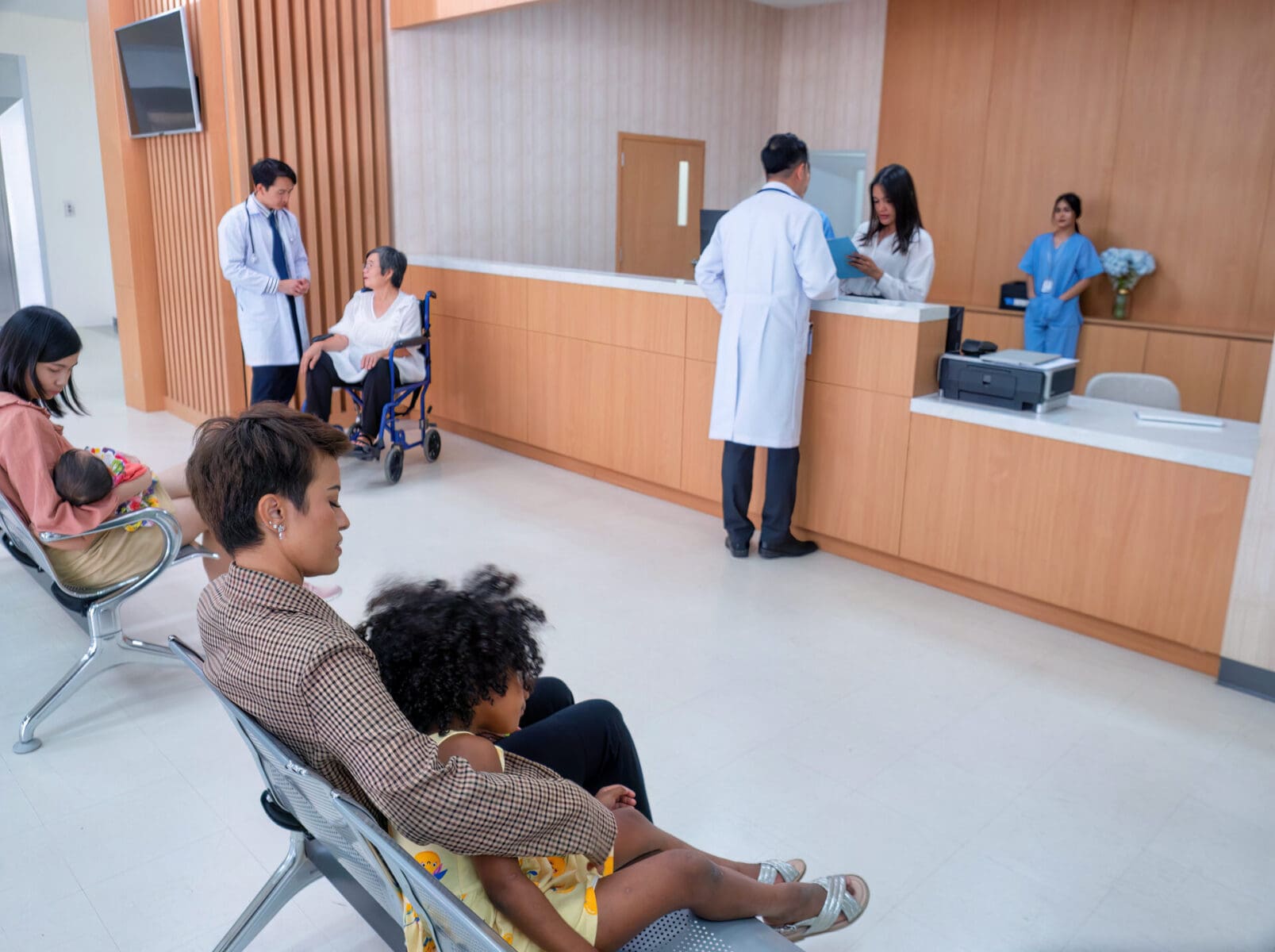
A professional healthcare cleaning plan may include:
- Waiting rooms
- Reception areas
- Exam rooms
- Consultation rooms
- Restrooms
- Breakrooms
- Nurse stations
- Administrative offices
- Hallways
- Entryways
- Floors
- Glass doors
- High-touch surfaces
- Trash removal
- Specialty care areas, depending on facility needs
The exact scope should be tailored to the facility type, patient volume, hours of operation, risk level, and regulatory considerations.
Choosing a Medical Facility Cleaning Provider in Denver
When selecting a cleaning provider for a medical office or healthcare facility, decision-makers should look beyond price alone.
Ask whether the provider can support:
- Healthcare-specific cleaning procedures
- High-touch disinfection
- EPA-registered disinfectant use
- PPE requirements
- Flexible cleaning schedules
- Written cleaning checklists
- Quality control inspections
- Local support in the Denver area
- Experience with medical and healthcare environments
JAN-PRO Cleaning & Disinfecting in Colorado works with businesses across the Denver area and provides cleaning programs designed to support cleaner, safer, and more professional facilities.
FAQs About Medical Facility Cleaning in Denver
What are the three levels of cleaning in a healthcare facility?
In healthcare, the three levels of cleaning are cleaning, sanitizing, and disinfecting. Cleaning removes visible dirt, dust, and debris. Sanitizing reduces germs to a safe level, while disinfecting kills pathogens using chemicals. These steps often go hand in hand to ensure thorough cleanliness.
What are the CDC guidelines for terminal cleaning?
Terminal cleaning involves cleaning patient areas thoroughly after a patient leaves, focusing on high-touch surfaces and the environment. It’s a more detailed process than routine cleaning and includes items like furniture, floors, restrooms, and medical equipment, depending on the setting.
How often should a medical office be cleaned?
Medical offices require daily cleaning, with more frequent attention to high-touch areas and restrooms based on patient flow. Exam rooms should be cleaned between patients, while deep cleaning tasks may be scheduled weekly or as needed based on patient volume and facility needs.
Get Professional Medical Facility Cleaning Services in Denver Today
A clean and sanitized medical facility is crucial for protecting patients, supporting staff, and building trust in your practice. Whether your facility needs daily cleaning, high-touch surface disinfection, restroom sanitation, floor care, or a tailored healthcare cleaning plan, JAN-PRO Cleaning & Disinfecting in Colorado is here to help.
Don’t wait—ensure the safety and well-being of your patients and staff with expert cleaning services. Contact us now to schedule a customized cleaning consultation!
Address: 1720 S Bellaire St Suite 600 Denver, CO 80222
Phone: (720) 962-9060
Call today and take the first step toward a healthier, cleaner facility!
About the Author
Scott Hockensmith IV
 Scott Hockensmith IV, owner of JAN-PRO Franchise Development in Colorado, is an entrepreneur dedicated to helping individuals build successful commercial cleaning businesses. With more than 23 years of industry experience, he is passionate about people, growth, and creating opportunities for long-term success. His work focuses on empowering others and supporting sustainable business ownership.