The decision to start a cleaning business often reflects broader economic trends, urban growth, and the increasing importance of workplace hygiene. In rapidly expanding metropolitan areas such as Denver, Colorado, commercial property development, population growth, and strict sanitation expectations create favorable conditions for new service-based businesses.
The commercial cleaning industry supports offices, healthcare facilities, retail environments, schools, and industrial sites that require structured sanitation programs. These services include janitorial operations, floor care, disinfecting protocols, and facility maintenance systems that protect public health and maintain professional environments.
Denver’s business landscape continues to evolve as new companies relocate, technology firms expand, and commercial districts develop. This growth increases demand for professional cleaning services and presents opportunities for entrepreneurs interested in pursuing a commercial cleaning franchise opportunity within an established system.
1. Denver’s Expanding Commercial Infrastructure
Denver has experienced consistent economic growth over the past decade, supported by industries such as technology, healthcare, finance, and logistics. The expansion of commercial real estate creates a steady need for facility maintenance and sanitation services.
Professional cleaning providers support environments, including:
- Corporate offices and coworking spaces
- Healthcare clinics and outpatient centers
- Educational institutions and childcare facilities
- Retail stores and shopping centers
- Manufacturing and distribution facilities
According to the U.S. Small Business Administration, service-based industries such as facility maintenance and cleaning services remain among the most common types of small businesses due to relatively low startup barriers and consistent demand across sectors.
As new commercial buildings and mixed-use developments continue to emerge in Denver, businesses require structured cleaning programs that comply with health regulations and workplace safety standards.
2. Growing Emphasis on Workplace Hygiene
Sanitation standards in commercial environments have changed significantly in recent years. Organizations increasingly prioritize cleaning systems designed to reduce contamination, improve indoor air quality, and maintain healthier workplaces.
Professional cleaning operations typically include structured processes such as:
- High-touch surface disinfection protocols
- HEPA-filter vacuum systems
- Color-coded microfiber cleaning methods
- Scheduled floor maintenance programs
- Restroom sanitation and replenishment systems
These procedures require trained personnel and consistent quality control systems, creating sustained demand for professional providers who can run a cleaning business efficiently and safely.
As businesses continue to invest in healthier workplaces, cleaning services are increasingly viewed as operational necessities rather than optional services.
3. Relatively Low Barrier to Entry
Compared with many other industries, the commercial cleaning sector typically requires less capital investment to begin operations. The business model focuses on service delivery rather than manufacturing or inventory management.
Key startup components often include:
| Business Element | Typical Requirements |
| Equipment | Vacuums, microfiber systems, mops, and eco-friendly cleaning solutions |
| Transportation | Reliable vehicle for transporting equipment |
| Training | Cleaning procedures and sanitation standards |
| Insurance | Liability and workers compensation protection coverage |
| Client Contracts | Service agreements with businesses |
This structure allows entrepreneurs to open a cleaning company without the infrastructure required by many other industries. However, operational knowledge, compliance procedures, and client acquisition strategies remain essential for long-term sustainability.
4. Recurring Revenue Through Service Contracts
Another factor that encourages individuals to own a cleaning business is the potential for recurring service agreements.
Commercial cleaning providers often operate through scheduled contracts rather than one-time services. These agreements may include:
- Nightly janitorial services
- Weekly office cleaning programs
- Monthly floor maintenance services
- Periodic carpet and upholstery cleaning
- Seasonal deep cleaning projects
Recurring contracts help stabilize revenue streams and allow cleaning businesses to build predictable operational schedules. In metropolitan areas such as Denver, large office complexes, healthcare facilities, and commercial campuses often require continuous service year-round.
5. Opportunities Within Franchise Systems
While some entrepreneurs launch independent cleaning companies, others pursue structured cleaning franchise opportunities that provide operational frameworks and support.
Franchise systems often include:
- Training programs for sanitation procedures
- Equipment and supply guidance
- Marketing and lead generation support
- Operational systems for scheduling and inspections
- Quality assurance protocols
For example, a structured commercial cleaning franchise in Denver can provide standardized procedures designed to maintain service consistency across multiple facilities.
These frameworks allow business owners to focus on operational management while following established industry practices.
6. Denver’s Diverse Facility Types
One of the advantages of entering the cleaning industry in Denver is the diversity of commercial facilities that require sanitation services.
Cleaning companies may support environments such as:
- Medical offices and outpatient clinics
- Financial institutions and corporate headquarters
- Hospitality venues and event spaces
- Educational campuses and training centers
- Industrial and manufacturing facilities
Each environment requires specialized cleaning procedures and compliance standards.
Businesses seeking professional sanitation services frequently rely on experienced providers offering janitorial services in Colorado that understand regulatory requirements and facility-specific cleaning protocols.
Operational Knowledge and Training
While the industry offers accessible entry points, operating a successful cleaning company requires knowledge of facility maintenance systems, equipment usage, and sanitation standards.
Key operational areas include:
- OSHA safety compliance
- Chemical handling and dilution control
- Floor care techniques (buffing, stripping, waxing)
- Carpet extraction and upholstery maintenance
- Quality control inspections and documentation
Entrepreneurs researching how to start a cleaning business often review training requirements, certification programs, and operational best practices used by established providers. These systems ensure cleaning processes remain consistent, measurable, and compliant with industry standards.
Foundations of a Successful Cleaning Business
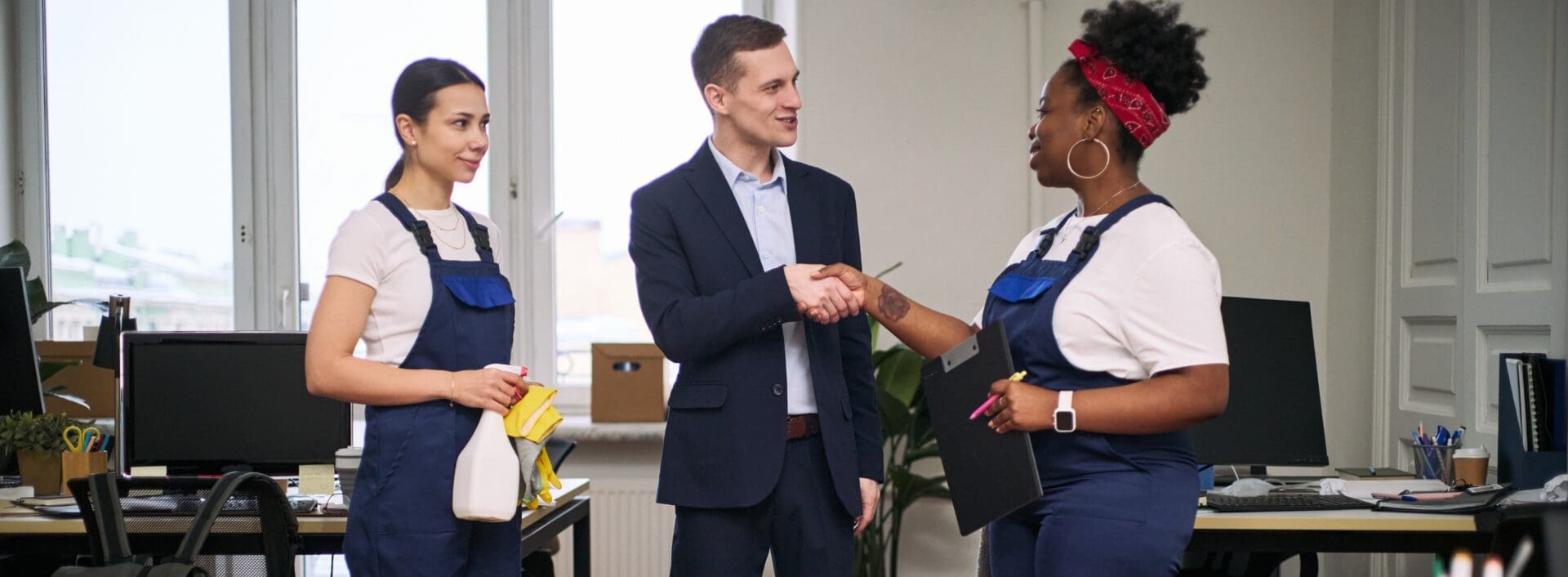
Anyone planning to run a cleaning business must understand that commercial facility maintenance relies on organized systems rather than simple surface cleaning. Businesses typically expect structured workflows that ensure reliability, safety, and measurable results.
Several operational components form the foundation of professional cleaning services:
Structured Service Plans
Commercial facilities are maintained through documented cleaning schedules that outline daily, weekly, and periodic tasks. These plans help ensure that essential areas—such as restrooms, shared workspaces, and high-touch surfaces—receive consistent attention.
Facility-Specific Procedures
Different environments require different sanitation approaches. Medical offices, office buildings, and manufacturing spaces each have distinct cleaning protocols, materials, and regulatory considerations.
Efficient Workflow Management
Successful cleaning operations often rely on route planning, time allocation, and task sequencing to improve efficiency. Organized workflows allow cleaning teams to maintain large facilities while minimizing disruption to daily business operations.
Safety and Compliance Awareness
Commercial cleaning involves chemical handling, equipment use, and workplace safety practices. Understanding regulatory guidelines and proper cleaning procedures is essential for maintaining safe working conditions.
These operational principles help ensure that cleaning businesses can deliver reliable service while meeting the sanitation expectations of modern commercial environments.
Explore a Cleaning Franchise Opportunity in Denver
Organizations across Colorado often rely on established commercial cleaning providers that implement structured sanitation systems and trained personnel.
JAN-PRO Cleaning & Disinfecting in Colorado provides customized cleaning programs designed for offices, healthcare facilities, and commercial properties throughout the region. Services are tailored based on the type of facility, operational requirements, and sanitation standards required within each environment.
The organization operates within a franchise model that supports entrepreneurs interested in entering the commercial cleaning industry while maintaining consistent operational standards.
JAN-PRO of Colorado is located at 1720 S Bellaire St Ste 600, Denver, and businesses seeking information about commercial cleaning or franchise opportunities may contact the office at (720) 962-9060.
FAQs
Why is Denver a good market for cleaning businesses?
Denver’s expanding commercial infrastructure, growing population, and strong economic development increase demand for janitorial services across offices, healthcare facilities, and retail environments.
What services do commercial cleaning companies typically provide?
Commercial cleaning providers often deliver janitorial services, restroom sanitation, floor maintenance, carpet cleaning, window cleaning, and facility disinfection programs.
Is a franchise model common in the cleaning industry?
Yes. Many entrepreneurs enter the industry through cleaning franchise opportunities that provide training, operational systems, and marketing support.
What industries require professional cleaning services?
Common industries include healthcare, education, retail, hospitality, logistics, and corporate office environments.
Does running a cleaning business require specialized training?
Yes. Cleaning professionals receive training in sanitation procedures, chemical handling, floor care methods, and workplace safety standards.
About the Author
Scott Hockensmith IV
 Scott Hockensmith IV, owner of JAN-PRO Franchise Development in Colorado, is an entrepreneur dedicated to helping individuals build successful commercial cleaning businesses. With more than 23 years of industry experience, he is passionate about people, growth, and creating opportunities for long-term success. His work focuses on empowering others and supporting sustainable business ownership.