Shoppers form opinions about retail stores within seconds based on subtle cleanliness cues they don’t consciously notice. Customers unconsciously evaluate restroom conditions, entryway cleanliness, checkout counter hygiene, and fitting room maintenance—all before making purchasing decisions. These “invisible” judgment zones directly influence whether a shopper trusts your brand, completes a transaction, or returns for future visits.
Tucson retail businesses face unique challenges maintaining these critical areas. Desert dust infiltrates stores along Oracle Road and Broadway Boulevard daily. High tourist traffic from nearby resorts increases wear on flooring and fixtures. Understanding which zones shoppers judge subconsciously helps local retailers protect their reputation and revenue.
Why First Impressions Start Before Customers Enter Your Store
The entryway and storefront windows create the first unconscious judgment. Customers scan these areas for safety, cleanliness, and professionalism before deciding whether to walk inside. Smudged glass, tracked-in dirt, or neglected door handles signal low standards throughout the entire operation.
Tucson’s monsoon season compounds these challenges. Dusty winds coat glass surfaces within hours. Rainwater pools near entrances without proper floor maintenance. Retailers near St. Philip’s Plaza and La Encantada must address these conditions multiple times daily during summer months.
Critical Entryway Elements Customers Notice Subconsciously
- Glass clarity: Fingerprints, dust film, and water spots on windows and doors immediately register as neglect
- Floor transitions: Dirt buildup where outdoor pavement meets indoor flooring creates a “dirty threshold” impression
- Door hardware: Tarnished handles, push plates with visible grime, and worn weatherstripping suggest overall poor maintenance
- Welcome mat condition: Frayed edges, staining, or visible debris accumulation contradicts the welcoming message
- Lighting quality: Burned-out bulbs or fixtures covered in dust reduce perceived safety and cleanliness
The Restroom Reputation Factor
Retail restrooms carry disproportionate weight in customer perception. A single negative restroom experience can override positive impressions from merchandise quality, pricing, or customer service. Shoppers consciously remember clean restrooms but subconsciously abandon stores with poor facilities.
One client told us that he learned this firsthand managing a retail location near the University of Arizona campus. He invested heavily in display merchandising but ignored restroom upkeep. Customer exit surveys revealed that shoppers specifically mentioned restroom conditions when explaining why they wouldn’t return—even when they loved his products.
Restroom Standards That Influence Purchase Decisions
| Area | What Customers Subconsciously Judge | Business Impact |
| Odor control | Presence of any unpleasant smell, regardless of visible cleanliness | Immediate exit; customers won’t mention it but won’t return |
| Supply availability | Toilet paper, soap, paper towels consistently stocked | Empty dispensers signal management doesn’t care about details |
| Grout and tile condition | Discolored grout lines, soap scum buildup, mineral deposits | Suggests deep-cleaning never happens; erodes trust |
| Touch-point sanitation | Faucet handles, door locks, flush levers show residue or grime | Post-pandemic shoppers now consciously notice these |
| Floor-to-wall junctions | Dust, hair, or debris along baseboards and corners | Indicates superficial cleaning only, no thorough maintenance |
Checkout Counters: The Final Trust Test
The checkout area receives the closest customer scrutiny because shoppers stand still while waiting. They have time to notice dust on card readers, smudges on countertops, and debris around register bases. These details subconsciously influence whether customers feel confident completing transactions.
Professional janitorial services in Tucson focus on high-touch surfaces throughout the day, not just during after-hours cleaning. This distinction matters for retail environments where customer interaction never stops.
Checkout Zone Red Flags
- Payment terminal condition: Fingerprints, dust, and residue on screens and keypads suggest poor hygiene protocols
- Counter surface integrity: Sticky spots, crumbs, or visible wear patterns indicate infrequent deep cleaning
- Bag and receipt storage: Disorganized supplies or dusty storage areas visible to customers diminish professionalism
- Behind-counter cleanliness: Customers see into employee workspaces; clutter and dirt create negative associations
- Impulse display maintenance: Dusty merchandise near registers suggests old inventory and poor attention to detail
Fitting Rooms and Try-Before-You-Buy Spaces
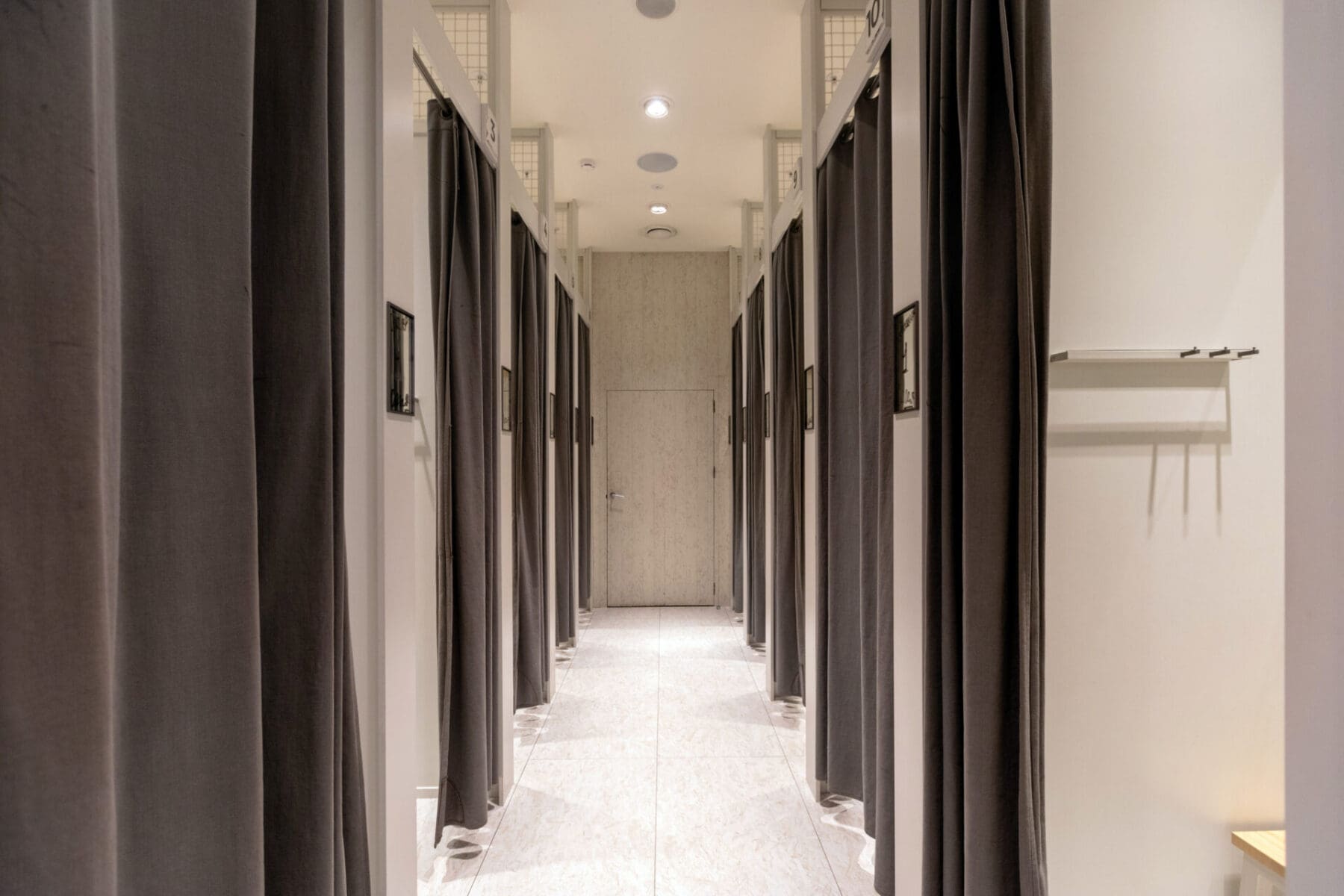
Fitting rooms represent intimate spaces where cleanliness expectations intensify. Customers remove clothing and examine themselves closely, making them hyperaware of their surroundings. Any sign of poor maintenance—hair on floors, dust on mirrors, stains on seating—creates immediate discomfort and purchase hesitation.
Tucson’s apparel retailers at Park Place Mall and Foothills Mall must maintain fitting rooms that feel freshly cleaned for every customer. The perception of “someone else’s mess” triggers powerful psychological resistance to purchasing.
Fitting Room Cleanliness Checklist
- Mirror surfaces completely streak-free and dust-free at all times
- Floors swept and spot-cleaned between every customer use
- Benches and hooks wiped down to remove dust and lint accumulation
- Lighting fixtures free of dead insects and dust buildup
- Walls and baseboards checked for scuff marks and accumulated grime
- Air quality maintained through proper ventilation to prevent mustiness
- Door handles and locks sanitized frequently throughout operating hours
High-Traffic Flooring That Tells Your Store’s Story
Floor condition communicates maintenance standards more powerfully than any other single element. Customers subconsciously assess flooring throughout their entire visit. Scuffed tile, sticky patches, visible debris paths, and worn traffic patterns all register as evidence of declining standards.
Desert dust presents a constant challenge for Tucson retailers. Parking lot grit transfers onto shoes and spreads throughout stores within minutes. Effective floor maintenance requires multiple daily interventions, not just nightly cleaning after closing.
Floor Maintenance Priorities by Store Zone
| Store Zone | Primary Challenge | Maintenance Frequency Needed |
| Main entrance (first 15 feet) | Desert dust, outdoor debris, moisture tracking | Every 2-3 hours during open hours |
| Main aisles and circulation paths | Traffic wear patterns, accumulated fine dust | Mid-day sweep plus nightly deep clean |
| Featured merchandise zones | Stationary customer traffic creating scuff marks | Daily spot treatment, weekly deep maintenance |
| Behind checkout counters | Employee traffic, dropped items, confined space wear | Daily focused cleaning plus weekly intensive care |
| Fitting room corridors | Lint, hair, clothing fibers, high customer sensitivity | Multiple daily cleanings between customer rushes |
Why Professional Commercial Cleaning Protects Your Brand
Retail staff cannot maintain the detailed cleaning standards customers subconsciously expect. Employees focus on sales, merchandising, and customer service—not the specialized knowledge required for proper surface sanitation, floor care chemistry, or high-touch disinfection protocols.
JAN-PRO Cleaning & Disinfecting in Tucson brings certified expertise to retail environments. Franchisees understand how Tucson’s climate affects cleaning requirements. We know which products work on local water mineral deposits, how to manage monsoon-season challenges, and which high-traffic areas need specialized attention.
Professional Cleaning Advantages for Tucson Retailers
- Trained specialists who recognize problem areas before customers notice them
- Commercial-grade equipment that achieves results impossible with consumer products
- Flexible scheduling that addresses both after-hours deep cleaning and mid-day touch-ups
- Systematic approaches ensuring nothing gets overlooked week after week
- Documented cleaning protocols that maintain consistent standards across all store areas
- Experience serving auto dealerships, medical centers, and business offices with similarly high cleanliness expectations
Frequently Asked Questions
How often should retail stores deep-clean high-traffic areas?
High-traffic zones require daily attention with weekly intensive deep cleaning. Entryways, checkout counters, and restrooms need multiple daily interventions during operating hours, not just after closing. Monthly deep-cleaning addresses baseboards, fixtures, and areas customers judge subconsciously but staff often miss.
What cleaning mistakes do retail stores make most frequently?
Retailers typically focus only on visible dirt while ignoring the subtle cues customers subconsciously judge. They clean floors but neglect baseboards, wipe counters but skip card readers, and maintain merchandise displays while allowing fitting room mirrors to accumulate film. These overlooked details create negative impressions despite otherwise clean stores.
Does professional cleaning actually increase retail sales?
Clean retail environments directly influence purchase decisions and return visits. Shoppers spend more time in stores that feel well-maintained, show higher completion rates at checkout, and recommend clean stores to others. While cleaning represents an operational cost, it protects revenue by preventing the customer loss that occurs with poor facility maintenance.
How do Tucson’s weather conditions affect retail cleaning needs?
Desert dust, monsoon moisture, and intense UV exposure create unique challenges for Tucson retailers. Dust infiltrates stores constantly despite closed doors, requiring frequent entryway maintenance. Monsoon humidity promotes faster buildup of film on glass and mirrors. These conditions demand more frequent professional intervention than retailers in other climates require.
What should retailers look for when hiring commercial cleaning services?
Choose cleaning providers with specific retail experience who understand customer-facing environments differ from offices or warehouses. Look for flexible scheduling that accommodates both after-hours deep cleaning and daytime touch-ups. Verify they use proper products for your specific flooring, fixtures, and surfaces to avoid damage while achieving sanitation standards customers expect.
Protect Your Retail Reputation with Expert Commercial Cleaning
The areas customers judge without realizing it determine whether your Tucson retail store earns their trust and repeat business. Every overlooked detail—from entryway dust to checkout counter residue—shapes subconscious perceptions that influence purchasing decisions.
JAN-PRO Cleaning & Disinfecting in Tucson delivers the specialized expertise your retail environment demands. Our certified franchisees understand the unique challenges Tucson’s climate presents. We maintain the restrooms, entryways, checkout areas, fitting rooms, and flooring that customers evaluate subconsciously throughout every visit.
Don’t let invisible judgment zones undermine your retail success. Contact JAN-PRO Cleaning & Disinfecting today to schedule a facility assessment. Our team will identify the areas your customers notice subconsciously and develop a customized cleaning plan that protects your brand reputation.
Call (520) 885-9600 or visit us at 4221 S Santa Rita Ave Suite 101 to discuss your retail cleaning needs.
About the Author
Carter James
 Carter James is Vice President of Strategy & Development, leading growth strategy, acquisitions, and multi-market expansion within a facility services platform. His background includes corporate strategy, M&A integration, and franchise development. He partners with senior leadership to drive disciplined execution, scalable operations, and long-term value through data-driven, high-accountability leadership.