
Office cleaning refers to the systematic maintenance, sanitization, and disinfection of commercial work environments to support health, safety, and operational efficiency. Determining the appropriate cleaning frequency depends on facility type, occupancy levels, industry regulations, and environmental factors unique to the Puget Sound region.
In areas such as Tacoma, Federal Way, Seattle, Bellevue, Kent, Renton, Everett, and surrounding communities, seasonal weather patterns, high foot traffic, and public health considerations make structured cleaning schedules essential for professional environments.
This guide outlines how often offices should be cleaned, what tasks belong in each frequency tier, and how established providers structure comprehensive cleaning programs.
Why Office Cleaning Frequency Matters
Cleaning frequency directly influences:
- Indoor air quality
- Employee productivity
- Surface longevity
- Germ transmission control
- Regulatory compliance
According to the Centers for Disease Control and Prevention (CDC), routine cleaning of high-touch surfaces reduces the spread of infectious agents in community settings. In office environments, these surfaces include:
- Door handles
- Shared desks
- Elevator buttons
- Breakroom appliances
- Restroom fixtures
Insufficient cleaning intervals can increase contamination risk, while overly infrequent deep cleaning can accelerate material wear and reduce indoor environmental quality.
Core Factors That Determine Cleaning Frequency
1. Occupancy Levels
High-density offices require more frequent cleaning than hybrid or low-traffic spaces. Facilities with daily in-person staff and visitors typically need daily service.
2. Industry Type
Different industries have different cleaning intensity requirements:
- Medical offices – Daily and often multiple daily disinfection cycles
- Financial institutions – Daily cleaning with enhanced lobby sanitation
- Manufacturing offices – Frequent dust control and floor maintenance
- General administrative offices – Routine daily cleaning with weekly detailing
3. Building Size and Layout
Large multi-floor buildings require structured zone-based cleaning schedules, while smaller offices may operate effectively with streamlined task lists.
4. Climate in Puget Sound
The Puget Sound region experiences extended wet seasons. Rain and moisture increase:
- Soil and debris tracked indoors
- Carpet saturation risk
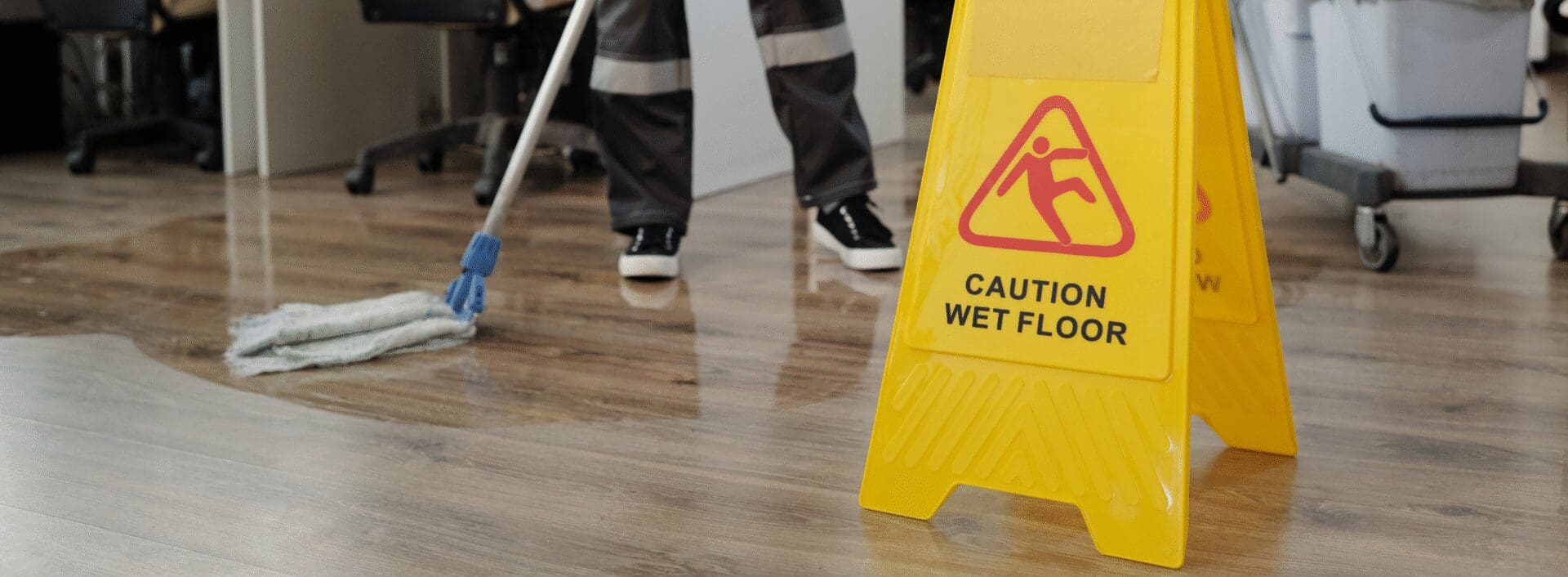
- Slip hazards
This makes floor care and entryway maintenance especially important.
Recommended Office Cleaning Frequency by Task
The following table outlines a standard professional schedule used in commercial environments:
| Task Category | Recommended Frequency | Purpose |
| Trash removal | Daily | Odor control and hygiene |
| Restroom cleaning & disinfection | Daily | Health compliance |
| High-touch surface sanitizing | Daily | Infection prevention |
| Vacuuming carpeted areas | Daily to 3x weekly | Soil removal |
| Hard floor mopping | Daily to 3x weekly | Safety and cleanliness |
| Dusting surfaces | Weekly | Allergen control |
| Interior glass cleaning | Weekly to monthly | Appearance |
| Deep floor scrubbing/buffing | Monthly or quarterly | Surface longevity |
| Upholstery & rug cleaning | Quarterly or biannually | Fiber preservation |
Carpeted environments in Puget Sound offices often require periodic rug cleaning, particularly in high-traffic corridors and entryways where moisture accumulates. Professional fiber extraction methods help prevent long-term damage.
Cleaning Frequency by Office Type
Small Offices (Under 5,000 sq ft)
- Cleaning: 2–3 times per week
- Restrooms: At least 3 times weekly
- Deep cleaning: Quarterly
Mid-Sized Offices (5,000–20,000 sq ft)
- Cleaning: 5 days per week
- High-touch disinfection: Daily
- Floor detailing: Monthly
Large Corporate Facilities
- Cleaning: Daily with structured task rotation
- Day porter services: Recommended
- Floor restoration: Scheduled quarterly
Signs an Office Needs More Frequent Cleaning
Even well-maintained offices may require schedule adjustments. Indicators include:
- Persistent odors
- Visible dust accumulation
- Increased employee illness reports
- Dull or scratched flooring
- Soil buildup near entrances
Proactively adjusting cleaning frequency prevents more costly restoration later.
How Professional Providers Structure Cleaning Programs
Established commercial cleaning providers follow a methodical process:
- Facility walkthrough and risk assessment
- Traffic pattern analysis
- Surface material identification
- Industry compliance review
- Customized task scheduling
- Quality control inspections
Companies delivering structured office cleaning services in Washington typically use documented cleaning systems, color-coded microfiber tools to prevent cross-contamination, and measurable inspection protocols.
This structured methodology ensures consistency across multi-tenant offices, healthcare administrative spaces, and corporate campuses.
Daily vs. Weekly vs. Monthly Cleaning: Understanding the Difference
Daily Cleaning
Focuses on sanitation and hygiene:
- Trash removal
- Restroom disinfecting
- Surface sanitizing
- Vacuuming common areas
Weekly Cleaning
Targets buildup prevention:
- Dusting vents and baseboards
- Interior glass polishing
- Detailed breakroom cleaning
Monthly or Quarterly Cleaning
Addresses long-term preservation:
- Floor scrubbing and refinishing
- Carpet extraction
- Upholstery maintenance
- Air vent detailing
This layered approach prevents accelerated deterioration of surfaces and furnishings.
Special Considerations for Puget Sound Businesses
Businesses operating in the Puget Sound region face unique environmental factors:
- Higher humidity levels
- Frequent rain exposure
- Mud and debris tracked indoors
- Seasonal flu surges
As a result, many facilities increase cleaning frequency during fall and winter months to maintain hygiene standards and indoor air quality.
Conclusion: Determining the Right Office Cleaning Schedule
The appropriate office cleaning frequency depends on occupancy, industry risk level, building design, and environmental exposure. Most professional offices require daily sanitation combined with weekly detailing and periodic deep cleaning.
In the Puget Sound region, increased moisture and seasonal factors make structured, consistent cleaning programs particularly important. Businesses that evaluate cleaning frequency proactively reduce long-term maintenance costs, support employee wellness, and maintain professional standards.
A structured cleaning schedule is not simply a routine service—it is a strategic component of workplace health and facility management.
How JAN-PRO Cleaning & Disinfecting Approaches Office Cleaning in Puget Sound
JAN-PRO Cleaning & Disinfecting applies structured commercial cleaning methodologies tailored to facility size, occupancy, and industry classification. Certified franchisees conduct detailed assessments to determine appropriate service frequency, ensuring alignment with operational needs and sanitation standards.
Janitorial cleaning programs are designed to balance:
- Daily hygiene requirements
- Preventative maintenance
- Long-term surface preservation
- Regulatory considerations
Facilities across Tacoma, Federal Way, and surrounding communities are supported from the local office at 500 South 336th St #201, Federal Way, WA 98003. For operational inquiries, the regional office can be reached at (253) 589-9110.