Maintaining clean and hygienic commercial environments is essential for productivity, employee health, and professional presentation. Offices, medical clinics, retail stores, and educational facilities all rely on structured sanitation programs to keep their spaces safe and operational. However, maintaining these standards can lead organizations to closely monitor commercial cleaning costs.
In Tempe, Arizona, businesses operate in a dynamic environment shaped by corporate growth, educational institutions, and a steady flow of visitors. As facilities expand and daily occupancy increases, cleaning requirements also grow. Many organizations seek strategies that reduce cleaning expenses without compromising sanitation quality.
Understanding the factors that influence cleaning budgets allows facility managers and business leaders to implement more efficient cleaning programs while maintaining professional standards.
What Determines Commercial Cleaning Costs?
Cleaning budgets vary widely depending on the type of facility, operational requirements, and frequency of service. Several key factors influence commercial cleaning costs across different industries.
| Cost Factor | Description | Impact on Budget |
| Facility Size | Larger buildings require more labor and equipment | Higher service time |
| Cleaning Frequency | Daily services cost more than periodic cleaning | Increased labor hours |
| Surface Types | Carpets, tile, glass, and specialty materials require different cleaning methods | Equipment and supply costs |
| Industry Regulations | Healthcare or food environments require stricter sanitation | Additional procedures |
| Foot Traffic | High-traffic areas require more frequent maintenance | More frequent cleaning cycles |
According to the U.S. General Services Administration (GSA), proper facility maintenance planning can significantly reduce long-term operational expenses by optimizing cleaning schedules and resource allocation. Understanding these factors helps organizations create cleaning plans that balance operational needs with cost efficiency.
Why Tempe Businesses Focus on Cleaning Efficiency
Tempe is home to a diverse range of businesses, including technology companies, educational institutions, healthcare offices, and retail establishments. The presence of large commercial districts and academic campuses means many facilities experience consistent daily traffic.
High occupancy levels often lead to increased cleaning demands, particularly in:
- Office workspaces
- Conference rooms and collaborative areas
- Shared restrooms and kitchens
- Reception and waiting areas
- Entryways and hallways
Organizations seeking commercial cleaning in Tempe frequently evaluate ways to maintain cleanliness while controlling operational expenses.
Strategy 1: Implement a Smart Cleaning Schedule
One of the most effective ways to manage cleaning budgets is through structured service schedules. Not every area of a building requires the same level of cleaning frequency.
For example:
| Area | Recommended Cleaning Frequency |
| Restrooms | Daily or multiple times per day |
| Entryways and lobbies | Daily |
| Individual offices | Several times per week |
| Conference rooms | Based on usage |
| Storage areas | Periodically |
Facilities that adopt an effective cleaning schedule can focus resources on high-priority areas while reducing unnecessary service in lower-traffic zones. This approach improves efficiency while maintaining consistent sanitation standards.
Strategy 2: Focus on Preventive Maintenance
Preventive maintenance helps reduce the need for more expensive deep cleaning procedures. Regular upkeep of floors, carpets, and high-touch surfaces prevents long-term buildup of dirt and debris.
Examples of preventive practices include:
- Routine vacuuming of carpeted areas
- Scheduled floor polishing or buffing
- Immediate cleanup of spills or stains
- Regular dust removal from surfaces and equipment
By addressing issues early, businesses can prevent costly restoration procedures or premature replacement of materials.
Strategy 3: Use Efficient Cleaning Technologies
Technological advancements in the commercial cleaning industry have improved efficiency and reduced labor requirements.
Examples of modern cleaning technologies include:
- HEPA-filter vacuum systems that capture fine particles
- Microfiber cleaning materials that reduce chemical usage
- Electrostatic sprayers that improve disinfectant coverage
- Low-moisture carpet cleaning systems that shorten drying time
These tools allow cleaning professionals to maintain high sanitation standards while improving productivity.
Strategy 4: Prioritize High-Traffic Areas
Cleaning budgets can be optimized by prioritizing the areas that receive the most daily activity.
High-priority areas typically include:
- Building entrances
- Reception areas
- Hallways and walkways
- Restrooms
- Shared kitchens or break rooms
Low-traffic areas, such as storage spaces or rarely used meeting rooms, may require less frequent cleaning. This targeted approach ensures resources are directed toward the areas that most influence workplace cleanliness and hygiene.
Strategy 5: Consolidate Cleaning Services
Many businesses reduce operational complexity by consolidating cleaning services under a single provider. Instead of managing multiple vendors for different cleaning tasks, a comprehensive service plan can streamline maintenance.
Examples of consolidated services include:
- Daily janitorial cleaning
- Floor care maintenance
- Carpet cleaning
- Window cleaning
- Disinfection services
Organizations that utilize office cleaning in Phoenix as part of a broader commercial cleaning strategy often benefit from more efficient facility management.
Cost Comparison: Reactive vs Preventive Cleaning
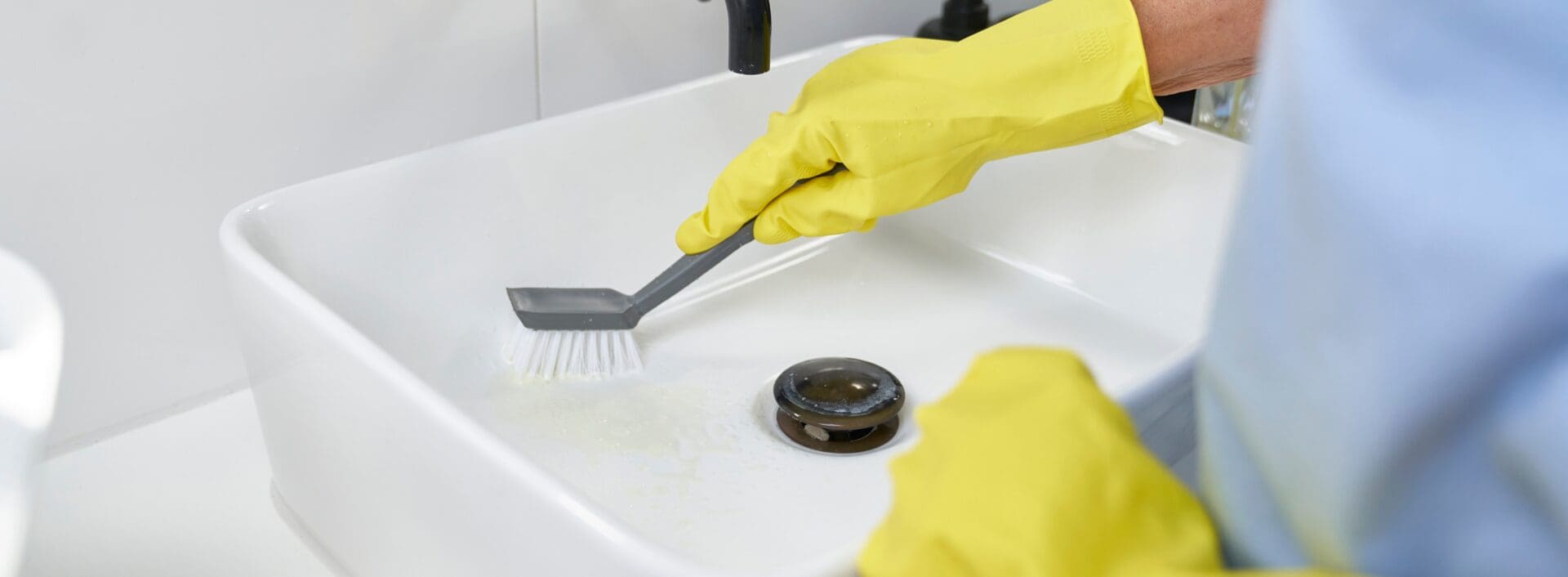
Cleaning programs generally fall into two categories: reactive cleaning or preventive maintenance.
| Cleaning Approach | Characteristics | Long-Term Cost Impact |
| Reactive Cleaning | Cleaning performed only after visible issues appear | Higher costs due to repairs or deep cleaning |
| Preventive Cleaning | Routine maintenance and scheduled cleaning programs | Lower long-term maintenance expenses |
| Strategic Cleaning Plan | A combination of preventive maintenance and targeted deep cleaning | Balanced cost and consistent cleanliness |
Preventive programs typically offer the most efficient balance between cost control and sanitation quality.
How Professional Cleaning Providers Help Optimize Costs
Professional commercial cleaning providers often evaluate facility operations to develop cleaning strategies that align with business needs.
Typical optimization practices include:
Facility Assessments
Cleaning professionals evaluate building layout, traffic patterns, and operational requirements to determine the most efficient cleaning plan.
Customized Service Plans
Cleaning schedules are tailored to each facility to ensure resources are used efficiently.
Advanced Cleaning Equipment
Professional equipment allows cleaning teams to complete tasks more efficiently while maintaining high sanitation standards.
Ongoing Performance Monitoring
Regular inspections and quality control measures help ensure that cleaning programs remain effective and efficient.
These practices help businesses maintain consistent facility cleanliness while managing operational budgets.
Commercial Cleaning Support from JAN-PRO Cleaning & Disinfecting in Phoenix
Businesses across Tempe and the greater Phoenix metropolitan area often rely on experienced commercial cleaning providers to maintain professional and hygienic environments.
Founded in 1991, JAN-PRO Cleaning & Disinfecting operates as a franchised commercial cleaning business that provides customer-focused service programs designed for a wide range of industries. Commercial cleaning services are delivered by trained franchise owners, supported by JAN-PRO Franchise Development, which provides operational and business support on behalf of franchisees.
Cleaning professionals within this system support offices, healthcare facilities, and other commercial environments throughout the Phoenix region with structured sanitation programs and facility maintenance strategies.
JAN-PRO Cleaning & Disinfecting in Phoenix is located at 4511 E Broadway Rd, Phoenix, and additional information about commercial cleaning programs in the Tempe area can be obtained by contacting 602-438-1000.
Conclusion
Managing commercial cleaning costs is an important consideration for businesses operating in Tempe’s growing commercial environment. As facilities expand and workplace hygiene expectations continue to evolve, organizations must balance cost efficiency with sanitation quality.
By implementing structured cleaning schedules, prioritizing high-traffic areas, adopting modern cleaning technologies, and focusing on preventive maintenance, businesses can maintain professional environments while optimizing operational expenses.
Strategic cleaning programs allow organizations to maintain cleanliness, support employee well-being, and protect the long-term value of commercial facilities.
About the Author
Carter James
 Carter James is Vice President of Strategy & Development, leading growth strategy, acquisitions, and multi-market expansion within a facility services platform. His background includes corporate strategy, M&A integration, and franchise development. He partners with senior leadership to drive disciplined execution, scalable operations, and long-term value through data-driven, high-accountability leadership.