Daycare facilities require specialized sanitation practices because they serve one of the most vulnerable populations: young children. Unlike many commercial environments, childcare settings experience constant physical contact with surfaces, toys, shared materials, and flooring. These conditions increase the potential spread of bacteria and viruses, making daycare cleaning significantly more complex than typical commercial cleaning tasks.
Proper cleaning and disinfection protocols in daycare environments focus not only on visible cleanliness but also on infection prevention, cross-contamination control, and safe use of disinfectants. These factors create a distinct category of facility maintenance where sanitation must meet higher health and safety standards.
Why Daycare Environments Require Specialized Cleaning
Children frequently interact with surfaces that adults might not normally touch, including toys, play structures, carpets, and learning materials. Additionally, young children often place objects in their mouths or touch their faces after handling shared items. This behavior significantly increases the potential for pathogen transmission within childcare facilities.
According to the Centers for Disease Control and Prevention, shared environments such as childcare centers require frequent cleaning and targeted disinfection to reduce the spread of infectious illnesses.
As a result, daycare sanitation programs typically emphasize:
- Frequent disinfection of high-touch surfaces
- Safe handling of toys and learning materials
- Use of child-safe disinfectants
- Strict cross-contamination prevention procedures
- Regular floor and carpet sanitation
These practices are designed to reduce health risks while maintaining a safe learning environment.
High-Touch Surfaces in Childcare Facilities
One of the primary differences in daycare cleaning involves the number of surfaces that require regular sanitation. Children interact with a wide range of objects during daily activities, which increases the number of areas that must be disinfected.
Common high-touch surfaces in daycare environments include:
- Classroom tables and chairs
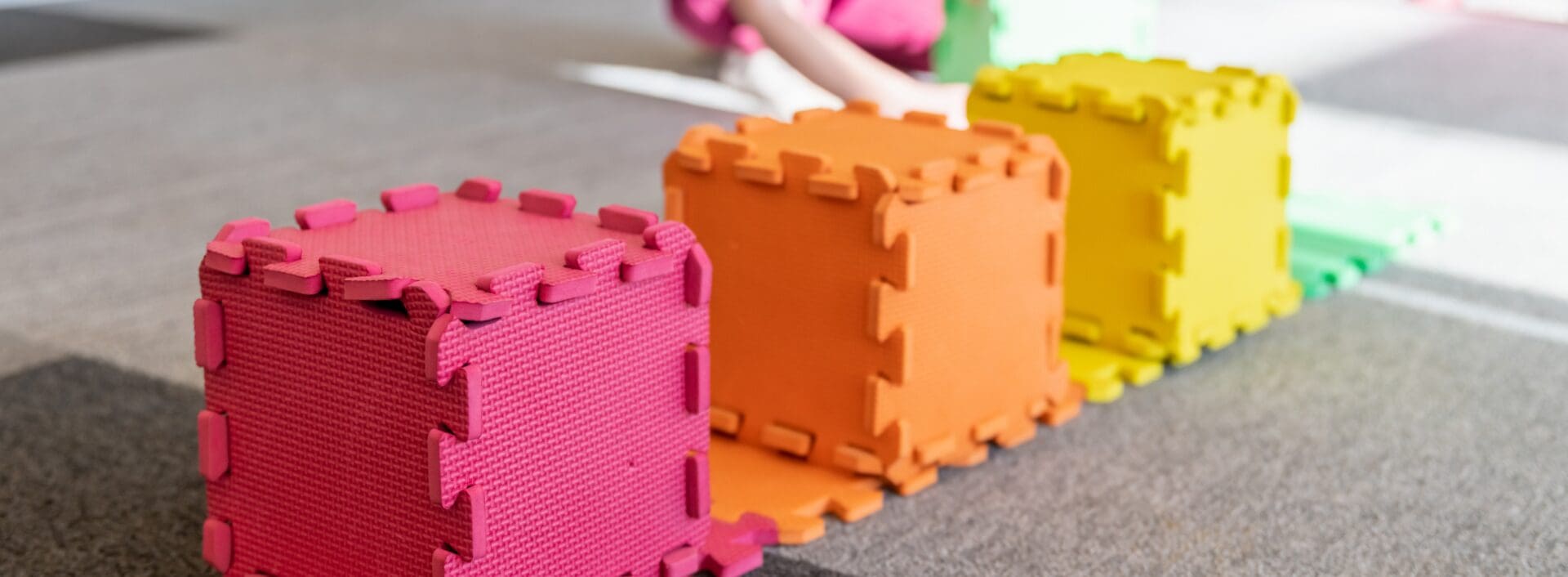
- Toys and play equipment
- Door handles and light switches
- Bathroom fixtures and changing stations
- Shared electronic devices or learning tools
- Carpets and soft play areas
Many of these surfaces require multiple cleaning cycles throughout the day rather than a single nightly cleaning routine.
Cleaning vs. Disinfection in Childcare Settings
Professional sanitation programs distinguish between two key processes:
- Cleaning: The removal of dirt, dust, and organic material from surfaces using detergents or cleaning solutions.
- Disinfection: The use of approved chemical agents designed to eliminate harmful microorganisms.
Both steps are essential in daycare environments because organic debris can prevent disinfectants from effectively eliminating pathogens.
Commercial cleaning providers often follow a structured process that includes:
- Surface debris removal
- Detergent cleaning
- Application of approved disinfectants
- Required dwell time for germ elimination
This process ensures effective sanitation while protecting sensitive materials commonly found in childcare environments.
Kid-Safe vs Standard Disinfectants
| Feature | Kid-Safe Disinfectants | Standard Disinfectants |
| Chemical strength | Lower toxicity formulas | Often stronger chemical composition |
| Usage environment | Schools, daycares, healthcare | Industrial or commercial facilities |
| Residue risk | Minimal residue after drying | May require rinsing |
| Safety considerations | Designed to reduce exposure risks for children | May require protective equipment |
| Typical application | Toys, learning surfaces, play equipment | Hard floors, restrooms, industrial surfaces |
Childcare facilities typically prioritize disinfectants that balance germ control with reduced chemical exposure risks.
Carpet and Soft Surface Sanitation in Daycares
Soft surfaces such as carpets and rugs require special attention in daycare environments. These materials can trap dirt, allergens, and microorganisms that accumulate during daily activities. Regular vacuuming is necessary, but deeper sanitation methods are often required to remove embedded contaminants.
Professional cleaning programs frequently include:
- periodic carpet extraction
- stain removal and sanitization
- rug cleaning for play areas
- moisture-controlled cleaning techniques to prevent mold growth
Soft surface care is often integrated into broader facility maintenance priorities within childcare facilities to ensure consistent hygiene standards.
Air Quality and Indoor Environmental Health
Air quality is another factor that distinguishes daycare sanitation from many other commercial cleaning environments. Children are more sensitive to airborne pollutants, dust, and allergens. Poor indoor air quality can contribute to respiratory irritation and allergy symptoms.
Cleaning programs for childcare facilities often include:
- HEPA-filter vacuum systems
- low-residue cleaning solutions
- dust control on vents and surfaces
- regular floor maintenance
These measures help limit airborne contaminants that accumulate during daily activities.
Local Considerations for Childcare Facilities in the Kansas City Area
Daycare facilities throughout the Kansas City metropolitan area must manage a combination of indoor sanitation needs and seasonal environmental factors.
Weather conditions such as rain, snow, and seasonal pollen can introduce additional contaminants into indoor spaces. Entrance areas and carpets often accumulate soil, moisture, and outdoor debris that require frequent cleaning.
Facilities located throughout the region may coordinate specialized sanitation plans similar to those used for daycare cleaning services in Lenexa, where childcare environments experience consistent daily activity and shared surface contact.
Because of these factors, many childcare facilities integrate sanitation into broader commercial cleaning services in Kansas City that address classrooms, restrooms, flooring, and high-touch surfaces throughout the building.
How Professional Cleaning Providers Approach Daycare Sanitation
Professional commercial cleaning organizations typically follow structured sanitation protocols when maintaining childcare facilities.
These programs often include:
- documented cleaning checklists for classrooms and play areas
- scheduled disinfection cycles for high-touch surfaces
- separation of cleaning tools to prevent cross-contamination
- safe storage of disinfectants and cleaning supplies
- routine inspections to ensure sanitation standards are maintained
These structured procedures help ensure consistent hygiene in facilities where cleanliness directly affects child health and safety.
JAN-PRO Cleaning & Disinfecting in Kansas City
Childcare environments require cleaning programs designed specifically for high-contact surfaces, sensitive materials, and strict sanitation standards. JAN-PRO Cleaning & Disinfecting in Kansas City provides customized cleaning plans for offices, educational facilities, and childcare environments based on the needs of each facility.
By adapting cleaning protocols to the operational requirements of daycare centers, professional sanitation teams help maintain hygienic spaces where children learn and play throughout the day.
JAN-PRO of Kansas City operates from 6500 West 110th Street, Suite 104, Overland Park, and additional information about commercial cleaning programs is available by contacting (913) 469-4060.
Conclusion
Daycare cleaning requires a higher level of disinfection than many other commercial environments because of the unique health and safety needs of children. Frequent surface contact, shared materials, and developing immune systems create conditions where consistent sanitation is essential.
Effective childcare cleaning programs combine structured disinfection protocols, child-safe cleaning products, carpet maintenance, and air quality management. Facilities that implement comprehensive sanitation strategies are better equipped to maintain safe, healthy environments for children, staff, and visitors.
About the Author
Carter James
 Carter James is Vice President of Strategy & Development, leading growth strategy, acquisitions, and multi-market expansion within a facility services platform. His background includes corporate strategy, M&A integration, and franchise development. He partners with senior leadership to drive disciplined execution, scalable operations, and long-term value through data-driven, high-accountability leadership.