Healthcare environments demand a higher standard of cleanliness than almost any other commercial setting. In Tucson, where hospitals, outpatient clinics, dental practices, urgent care centers, and specialty medical offices continue expanding across the metro area, maintaining bio-hazard-ready facilities is critical for patient safety, regulatory compliance, and operational continuity.
Modern healthcare cleaning is no longer just about appearance. Medical facilities now require evidence-based disinfection procedures, cross-contamination prevention strategies, touchpoint sanitation, indoor air quality management, and rapid-response cleaning protocols that align with evolving healthcare standards.
Why Tucson Healthcare Facilities Need Specialized Medical Cleaning
Healthcare environments face risks that standard janitorial programs are not designed to handle. Medical offices encounter:
- Bloodborne pathogens
- Bodily fluid contamination
- High-touch infection transfer points
- Airborne contaminants
- Cross-contamination risks
- Strict sanitation regulations
- Increased patient turnover
- Sensitive treatment environments
In Tucson’s growing healthcare market, these challenges are amplified by high patient volumes, seasonal illness surges, and expanding outpatient care facilities throughout areas like Oro Valley, Midtown Tucson, Rita Ranch, Casas Adobes, and the medical corridor near Banner – University Medical Center Tucson.
Medical cleaning protocols must adapt to the specific facility type, including:
- Primary care clinics
- Surgical centers
- Pediatric offices
- Dental facilities
- Dialysis clinics
- Physical therapy centers
- Imaging centers
- Behavioral health facilities
- Veterinary medical offices
- Urgent care locations
Each environment requires customized cleaning frequencies, disinfectant selection, and contamination control procedures.
What Does Bio-Hazard Ready Cleaning Mean?
A bio-hazard-ready healthcare facility is prepared to safely address contamination events while maintaining consistent daily infection prevention standards.
This includes:
Exposure Containment Procedures
Healthcare cleaning teams must know how to isolate affected areas and prevent contaminants from spreading through adjacent spaces.
EPA-Registered Hospital-Grade Disinfectants
Not all disinfectants are suitable for healthcare environments. Medical facilities require products designed to eliminate pathogens commonly associated with healthcare-associated infections (HAIs).
Color-Coded Cleaning Systems
Professional medical cleaning programs often separate tools and materials by area to reduce cross-contamination risks between restrooms, treatment areas, and administrative spaces.
High-Touch Surface Prioritization
Surfaces such as:
- Door handles
- Exam tables
- Waiting room chairs
- Check-in kiosks
- Nurse stations
- Light switches
- Touchscreens
- Countertops
require more frequent disinfection cycles than standard office environments.
Proper Dwell Times
One of the most overlooked elements of healthcare disinfection is disinfectant dwell time — the amount of time surfaces must remain visibly wet for proper pathogen elimination. Improper dwell times can reduce cleaning effectiveness even when high-quality products are used.
Tucson Healthcare Facilities Face Unique Environmental Challenges
Healthcare cleaning in Tucson involves environmental considerations that many national cleaning templates fail to address.
Desert Dust and Airborne Particles
Tucson’s desert climate creates constant airborne dust exposure that can affect indoor air quality, HVAC systems, and sensitive healthcare equipment.
Dust accumulation inside medical environments can impact:
- Air filtration efficiency
- Patient comfort
- Allergy-sensitive individuals
- Sterile treatment areas
- Equipment cleanliness
Monsoon Season Contamination Risks
During Tucson’s monsoon season, healthcare facilities often see increased moisture, mud tracking, and bacterial transfer risks entering through patient traffic.
Facilities need entrance-focused cleaning protocols that address:
- Floor moisture management
- Slip prevention
- Lobby sanitation
- Entryway contamination control
Seasonal Patient Surges
Tucson medical offices frequently experience elevated patient volumes during flu season and winter visitor months, increasing sanitation demands throughout waiting areas and exam rooms. Healthcare cleaning programs should scale based on occupancy and patient traffic patterns.
Key Areas That Require Advanced Medical Cleaning
Exam Rooms
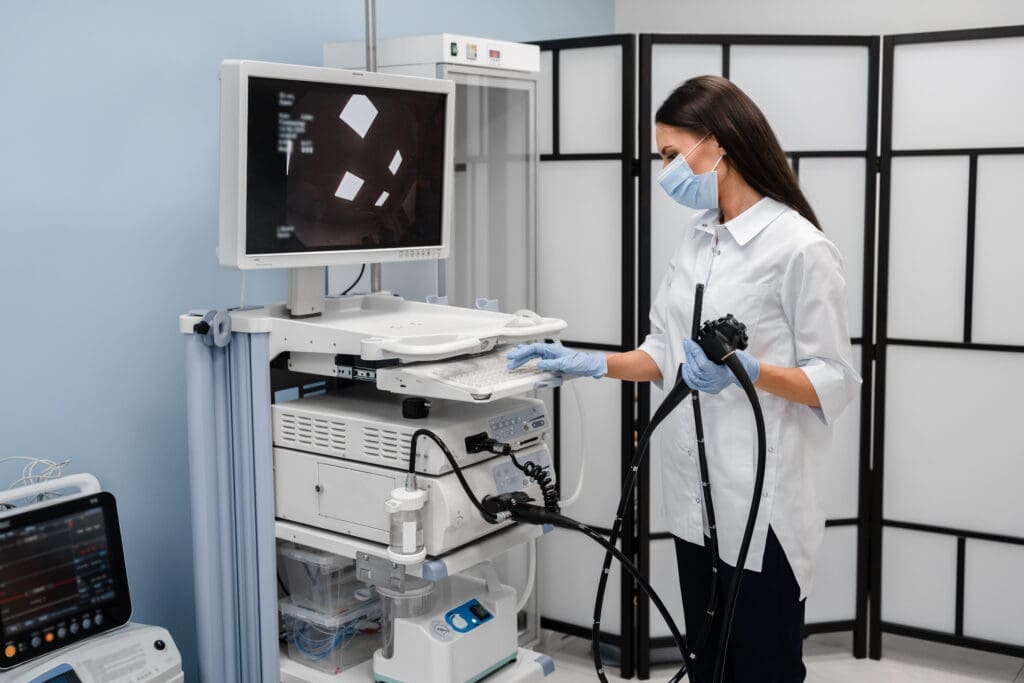
Exam rooms require disinfection between patient visits and deeper sanitation after daily operations.
Critical cleaning points include:
- Treatment chairs
- Counters
- Medical carts
- Sinks
- Diagnostic equipment surfaces
- Disposable waste handling areas
Waiting Areas
Waiting rooms are among the highest-contact zones in healthcare facilities.
Professional cleaning teams focus on:
- Seating disinfection
- Touchscreen cleaning
- Front desk surfaces
- Children’s play areas
- Shared writing utensils
- Beverage stations
Restrooms
Healthcare restrooms demand elevated sanitation frequencies due to increased contamination exposure.
Protocols typically include:
- Touchpoint disinfection
- Odor control
- Restocking systems
- Floor sanitization
- Fixture disinfection
Administrative Areas
Even non-clinical healthcare spaces can contribute to contamination transfer if improperly cleaned.
Shared office equipment and breakrooms require consistent sanitization to support staff wellness.
Signs Your Medical Facility May Need Updated Cleaning Protocols
Many healthcare facilities do not realize their sanitation procedures are outdated until operational issues begin appearing.
Common warning signs include:
- Persistent restroom or lobby odors
- Dust buildup around vents and equipment
- Inconsistent touchpoint disinfection
- Patient complaints about cleanliness
- Frequently overlooked high-contact surfaces
- Increased employee illness concerns
- Dirty grout, flooring, or waiting room furniture
- Inconsistent sanitation between patient visits
Modern healthcare cleaning requires structured systems rather than reactive cleaning alone.
The Growing Importance of Infection Prevention in 2026
Healthcare facility expectations continue evolving beyond traditional cleaning standards.
In 2026, healthcare organizations increasingly prioritize:
- Preventive infection control
- Measurable cleaning accountability
- Data-driven sanitation procedures
- Indoor environmental health
- Visible hygiene practices
- Patient confidence initiatives
Medical cleaning companies are now expected to demonstrate structured protocols instead of offering generalized janitorial services.
Healthcare administrators are asking more detailed questions about:
- Cleaning documentation
- Staff training
- Disinfection methods
- Response procedures
- Compliance readiness
- Product safety standards
Facilities that invest in advanced sanitation programs often experience stronger patient trust and improved operational consistency.
Why Customized Medical Cleaning Matters
Every healthcare facility operates differently.
A pediatric clinic in East Tucson has different sanitation priorities than a surgical center near Downtown Tucson or a dental office in Oro Valley.
Customized medical cleaning programs may account for:
- Patient volume
- Facility size
- Treatment type
- Operating hours
- High-risk zones
- Flooring materials
- Regulatory considerations
- Shared occupancy spaces
Cookie-cutter cleaning schedules often fail to address real operational risks inside healthcare facilities.
That is why many local medical offices work with providers specializing in healthcare-specific cleaning systems rather than relying solely on general office janitorial programs.
How JAN-PRO Cleaning & Disinfecting Supports Tucson Healthcare Facilities
JAN-PRO Cleaning & Disinfecting in Tucson provides customized healthcare cleaning solutions designed to help medical environments maintain higher sanitation standards. Certified franchisees work with facilities across Tucson to create cleaning programs tailored to operational requirements, patient flow, and facility-specific risk areas.
Services may include:
- Medical office cleaning
- High-touch disinfection
- Waiting room sanitation
- Restroom sanitization
- Floor care programs
- Day porter services
- Waste area cleaning
- Touchpoint disinfection
- Breakroom sanitation
- Dust reduction programs
Healthcare facilities benefit from cleaning plans built around real-world operational demands instead of generic schedules.
What should clinics look for in a medical cleaning company?
When evaluating healthcare cleaning companies in Tucson, decision-makers should consider:
Healthcare-Specific Experience
Medical environments require specialized procedures that differ from retail or office cleaning.
Training Standards
Cleaning teams should understand contamination prevention, disinfection procedures, and healthcare sanitation expectations.
Consistency
Inconsistent cleaning can undermine infection prevention efforts and damage patient confidence.
Communication
Healthcare environments often require flexible scheduling and rapid-response support.
Customized Programs
No two healthcare facilities operate identically.
Cleaning providers should build protocols around actual facility needs.
Transparent Pricing
Understanding cleaning scope and service frequency helps facilities evaluate operational value and budgeting. Healthcare administrators can review factors affecting commercial cleaning costs when planning medical sanitation programs.
Building Patient Trust Through Visible Cleanliness
Today’s patients notice cleanliness more than ever.
Visible sanitation practices influence:
- Patient satisfaction
- Online reviews
- Brand reputation
- Staff morale
- Perceived professionalism
Healthcare facilities that prioritize cleaning often create stronger first impressions and more reassuring patient experiences. In Tucson’s competitive healthcare landscape, cleanliness has become part of the patient experience itself.
The Future of Healthcare Cleaning in Tucson
Medical cleaning standards will continue evolving as healthcare environments adopt more advanced infection prevention strategies.
Emerging priorities include:
- Electrostatic disinfection technologies
- Indoor air quality initiatives
- Sustainable disinfecting practices
- Touchless sanitation systems
- Enhanced documentation systems
- Data-supported cleaning verification
Healthcare facilities that proactively modernize their sanitation strategies position themselves for stronger long-term operational resilience.
Frequently Asked Questions About Medical Cleaning in Tucson
What is included in medical office cleaning?
Medical office cleaning typically includes exam room disinfection, restroom sanitization, waiting room cleaning, touchpoint disinfection, floor care, waste-area cleaning, and contamination prevention procedures.
Why is medical cleaning different from regular office cleaning?
Healthcare facilities face higher contamination risks, stricter sanitation expectations, and more frequent touchpoint exposure than standard office environments.
Can professional medical cleaning help improve patient confidence?
Yes. Patients often associate visible cleanliness with professionalism, safety, and quality care. Consistent sanitation practices can positively influence patient perception and trust.
Partner With a Tucson Medical Cleaning Team That Understands Healthcare Environments
Maintaining a bio-hazard-ready healthcare facility requires more than routine janitorial service. Medical offices, clinics, and healthcare centers need structured cleaning protocols, consistent disinfection, and healthcare-focused sanitation expertise to help protect patients and staff.
JAN-PRO Cleaning & Disinfecting in Tucson helps local healthcare facilities implement customized medical cleaning services in Tucson designed for safer, healthier environments. Located at 4221 S Santa Rita Ave, Suite 101, Tucson, the team supports medical offices across the region with advanced cleaning and disinfection solutions tailored to healthcare settings.
Whether you operate a private practice, dental office, outpatient clinic, or specialty medical facility, investing in professional medical cleaning can help strengthen patient confidence and maintain higher sanitation standards year-round.
Call (520) 341-6424 to discuss customized cleaning solutions for your healthcare facility.
About the Author
Carter James
 Carter James is Vice President of Strategy & Development, leading growth strategy, acquisitions, and multi-market expansion within a facility services platform. His background includes corporate strategy, M&A integration, and franchise development. He partners with senior leadership to drive disciplined execution, scalable operations, and long-term value through data-driven, high-accountability leadership.