

As remote work becomes a permanent fixture in many industries, the focus on creating a healthy and productive home office environment has intensified.
While much attention has been given to ergonomics and work-life balance, one critical aspect often overlooked is indoor air quality (IAQ).
Poor air quality can significantly impact both physical health and cognitive function, leading to decreased productivity, increased stress, and long-term health issues.
In this blog, we will explore the importance of indoor air quality for remote workers and provide practical tips on how to maintain a healthy home office environment.
Why Indoor Air Quality Matters for Remote Workers
The Health Impact of Poor Indoor Air Quality
- Respiratory Issues: Poor indoor air quality can lead to respiratory problems, such as asthma, allergies, and other breathing difficulties. This is particularly concerning for remote workers who spend extended periods in their home office.
- Cognitive Function and Productivity: Studies have shown that poor air quality can impair cognitive function, leading to decreased focus, slower reaction times, and reduced productivity. Clean air is essential for maintaining mental clarity and high performance during work hours.
- Long-Term Health Risks: Prolonged exposure to pollutants in the air can contribute to more serious health issues, including cardiovascular disease and chronic respiratory conditions.
Common Sources of Indoor Air Pollution in Home Offices
OSHA’s updated guidelines for workplace disinfection introduce several key changes aimed at enhancing workplace safety:
- Household Chemicals: Cleaning products, paints, and other household chemicals can release volatile organic compounds (VOCs) into the air, contributing to poor indoor air quality.
- Dust and Allergens: Dust, pet dander, and pollen can accumulate in home offices, particularly in areas with carpeting or fabric furniture, leading to allergies and respiratory discomfort.
- Poor Ventilation: Inadequate ventilation can trap pollutants indoors, allowing them to build up over time and degrade air quality.
- Mold and Mildew: High humidity levels can lead to the growth of mold and mildew, which can release spores into the air and cause allergic reactions and other health problems.
Tips for Maintaining Healthy Indoor Air Quality in Your Home Office

1. Improve Ventilation
Importance of Fresh Air Circulation
- Air Exchange: Proper ventilation is crucial for maintaining good indoor air quality. It helps remove indoor pollutants and brings in fresh outdoor air, which dilutes any contaminants present in the home office environment.
Strategies for Enhancing Ventilation
- Open Windows: One of the simplest ways to improve ventilation is to regularly open windows, even if only for a few minutes each day. This allows fresh air to circulate and reduces the concentration of indoor pollutants.
- Use Exhaust Fans: If your home office is located near a kitchen or bathroom, use exhaust fans to help remove moisture and airborne contaminants. This is particularly important if you use your office for other activities, such as exercising or hobby work that might generate dust or fumes.
- Mechanical Ventilation Systems: Consider installing a mechanical ventilation system that continuously brings in fresh air while expelling stale air. Systems like heat recovery ventilators (HRVs) or energy recovery ventilators (ERVs) can be particularly effective in maintaining air quality while conserving energy.
2. Control Humidity Levels
The Role of Humidity in Air Quality
-
- Optimal Humidity Range: Maintaining the right humidity level is essential for preventing the growth of mold, mildew, and dust mites. The ideal indoor humidity level is between 30% and 50%.
- Health Implications: Too much humidity can promote mold growth, while too little can dry out mucous membranes, increasing susceptibility to respiratory infections.
Tools for Managing Humidity
-
-
- Dehumidifiers: If your home office tends to be humid, especially during warmer months, use a dehumidifier to reduce moisture levels and prevent mold growth.
- Humidifiers: In contrast, during the winter months, the air can become too dry. A humidifier can help maintain optimal humidity levels, ensuring that the air is neither too dry nor too humid.
- Hygrometers: Use a hygrometer to monitor the humidity levels in your home office. This inexpensive tool can help you keep track of moisture levels and make adjustments as needed.
-
3. Reduce Dust and Allergens
Importance of a Clean Environment
-
-
- Impact on Air Quality: Dust, pet dander, and other allergens can accumulate in your home office, particularly in carpeted areas or on fabric-covered furniture, leading to respiratory discomfort and poor air quality.
-
Cleaning Practices for Allergen Control
-
-
- Regular Cleaning: Dust surfaces regularly and vacuum your home office at least once a week using a vacuum cleaner with a HEPA filter, which can capture small particles and prevent them from recirculating in the air.
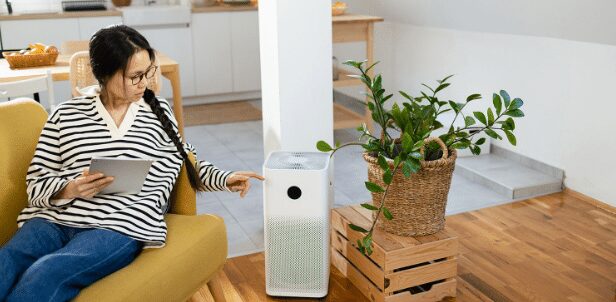
- Air Purifiers: Consider using an air purifier with a HEPA filter in your home office. These devices can effectively remove airborne particles, including dust, pollen, and pet dander, improving overall air quality.
- Minimize Clutter: Clutter can trap dust and make cleaning more difficult. Keep your home office organized and free of unnecessary items that could collect dust.
-
4. Choose Low-VOC Products
Understanding VOCs and Their Impact
-
-
- What are VOCs?: Volatile Organic Compounds (VOCs) are chemicals that easily evaporate at room temperature, releasing gases that can contribute to poor indoor air quality. Common sources include paints, varnishes, cleaning products, and even some furniture.
-
Reducing VOC Exposure
-
-
- Low-VOC Alternatives: When purchasing paints, cleaning products, or new furniture for your home office, opt for low-VOC or no-VOC options. These products release fewer harmful chemicals into the air.
- Proper Storage: Store any necessary chemicals, such as cleaning supplies, in a well-ventilated area away from your home office. Make sure they are tightly sealed to prevent VOCs from escaping into the air.
-
5. Incorporate Indoor Plants
Benefits of Indoor Plants
-
-
- Natural Air Purifiers: Certain indoor plants can help improve air quality by absorbing carbon dioxide and releasing oxygen. Some plants also have the ability to filter out toxins like formaldehyde and benzene from the air.
- Aesthetic and Psychological Benefits: In addition to improving air quality, indoor plants can also enhance the aesthetic appeal of your home office and contribute to a more relaxing and productive environment.
-
Recommended Plants for Air Quality
-
-
- Spider Plant: Known for its ability to filter out pollutants like formaldehyde and xylene.
- Peace Lily: Effective at removing toxins such as benzene, formaldehyde, and trichloroethylene.
- Snake Plant: Helps remove toxins from the air and releases oxygen at night, making it ideal for home offices.
-
6. Monitor Air Quality
Importance of Regular Monitoring
-
-
- Awareness of Air Quality: Regularly monitoring the air quality in your home office allows you to identify potential issues early and take corrective action before they affect your health.
-
Tools for Monitoring
-
-
- Air Quality Monitors: Invest in an air quality monitor that can track levels of pollutants, humidity, and temperature. These devices provide real-time feedback, helping you maintain a healthy indoor environment.
- Carbon Dioxide (CO2) Monitors: High levels of CO2 can indicate poor ventilation. A CO2 monitor can help you ensure that your home office is adequately ventilated.
-
Maintaining good indoor air quality in your home office is crucial for your health, well-being, and productivity as a remote worker.
By improving ventilation, controlling humidity, reducing dust and allergens, choosing low-VOC products, incorporating indoor plants, and monitoring air quality, you can create a healthier and more comfortable work environment.
As remote work continues to be a significant part of our professional lives, prioritizing indoor air quality will help ensure that your home office remains a safe and productive space.

For expert guidance and professional services to help you maintain a healthy indoor environment, trust JAN-PRO Cleaning & Disinfecting in Lansing.
Our team is equipped to assess and improve the air quality in your home office, ensuring that you can work comfortably and safely.
Contact us today to request a meeting and learn more about our comprehensive cleaning and air quality solutions.