Peak workout hours change cleaning priorities by requiring gym facilities to shift from general maintenance to high-touch sanitization, rapid equipment turnover cleaning, and targeted floor care during periods of maximum member traffic and sweat accumulation.
When member density increases—typically early morning, lunchtime, and after-work periods—the focus must move from deep cleaning to frequent disinfection of equipment handles, benches, locker room surfaces, and high-traffic zones to maintain hygiene standards and member satisfaction.
Why Member Traffic Patterns Dictate Sanitization Frequency
Gym facilities in Oklahoma City experience predictable surges in member activity that directly determine when and how often surfaces require disinfection. Morning sessions before 9 a.m., midday visits between noon and 1 p.m., and evening rushes from 5 to 8 p.m. create concentrated exposure periods when equipment, floors, and locker rooms accumulate bacteria and bodily fluids at accelerated rates.
During these periods, the cleaning approach must shift from scheduled deep cleaning to responsive, high-frequency spot cleaning. Each piece of cardiovascular equipment, free weight, and bench sees multiple users per hour, and each contact represents a potential hygiene concern.
High-Contact Zones Requiring Rapid Turnover Attention
- Cardio equipment handles and touchscreens: Treadmills, ellipticals, and stationary bikes accumulate sweat and oils from continuous hand contact during extended sessions.
- Free weight grips and barbell sleeves: Dumbbells and barbells transfer bacteria directly from user palms and require wipe-down between member rotations.
- Bench press pads and incline surfaces: Direct skin and clothing contact during exercises leaves perspiration residue that becomes odor-producing if not addressed promptly.
- Locker room benches and door handles: High-frequency touch points in moisture-rich environments create ideal conditions for microbial growth.
- Water fountain spouts and bottle-fill stations: Mouth proximity and splash-back zones require multiple daily disinfections during busy periods.
Adjusting Floor Care Based on Foot Traffic Volume
Floor maintenance strategies must adapt to peak hours when hundreds of feet track in dirt, sweat drips concentrate in exercise zones, and equipment movement increases scuff and soil accumulation. Heavy traffic creates safety concerns as moisture from perspiration combines with dust to form slip hazards, particularly around cardiovascular equipment clusters and stretching areas.
Facilities serving Oklahoma City’s fitness community require different floor protocols during peak versus off-peak hours. The timing and method of mopping, spot-cleaning, and matting placement all depend on when the facility experiences maximum member density.
Peak-Hour Floor Maintenance Protocol
| Time Period | Maintenance Focus | Method |
| 5:00 a.m. – 9:00 a.m. | Spot-clean sweat zones around cardio stations | Quick-dry microfiber mop with disinfectant |
| 12:00 p.m. – 1:00 p.m. | High-traffic pathway refresh and entry mat rotation | Dust mop removal of tracked debris, mat shake-out |
| 5:00 p.m. – 8:00 p.m. | Continuous monitoring of free weight zones for spills | On-call spot treatment with absorbent compounds |
| After 9:00 p.m. | Full wet mopping, stripping, and deep scrubbing | Auto-scrubber with industrial degreaser solutions |
Locker Room Hygiene During High-Occupancy Windows
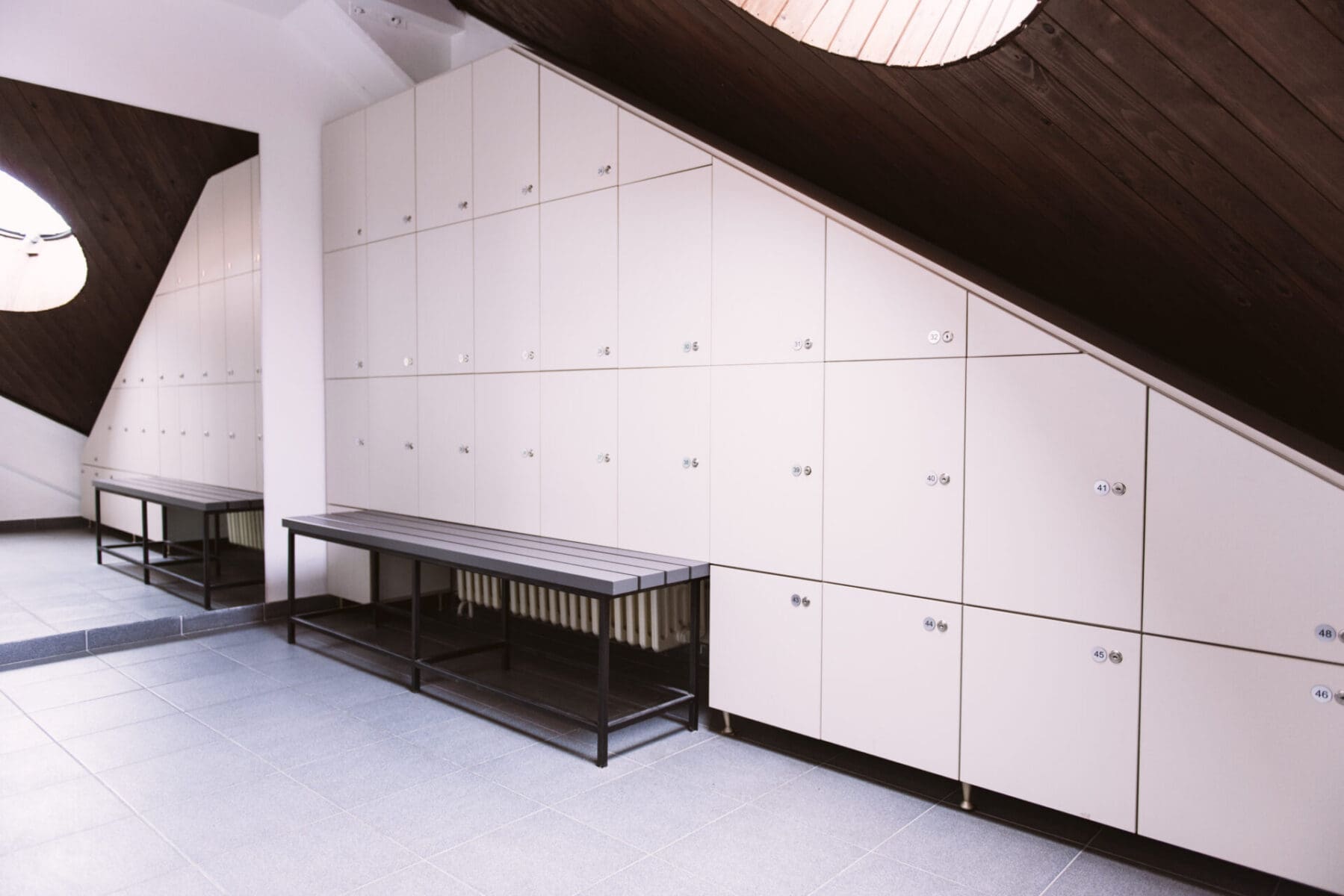
Locker rooms experience compressed periods of intense use that require immediate cleaning response rather than scheduled service intervals. During peak workout hours, showers run continuously, towels accumulate, and floor surfaces remain perpetually wet—conditions that accelerate mold formation and bacterial spread if not managed in real time.
The transition periods immediately after peak hours—around 9:30 a.m., 1:30 p.m., and 8:30 p.m.—offer brief windows for intensive locker room reset. These 20-to-30-minute intervals allow crews to address accumulated issues before the next member surge begins.
Priority Locker Room Tasks Between Peak Sessions
- Shower stall and floor squeegee treatment: Remove standing water to prevent slip hazards and reduce mold-friendly moisture levels.
- Toilet and urinal disinfection: Apply hospital-grade disinfectants to all porcelain surfaces and flush handles after each heavy-use period.
- Sink basin and mirror restoration: Clear soap scum, toothpaste residue, and water spots that accumulate during grooming activities.
- Trash receptacle emptying and re-lining: Prevent overflow of used towels, hygiene products, and packaging from supplement consumption.
- Bench wipe-down and floor mat repositioning: Eliminate sweat transfer zones and ensure anti-slip mats remain properly positioned.
Equipment Sanitization Frequency and Member Expectations
Modern gym members expect visible cleaning activity throughout their workout sessions, not just evidence of overnight janitorial service. The frequency of equipment sanitization directly influences member perception of facility hygiene and retention rates, particularly in competitive fitness markets.
Fitness centers that implement continuous daytime cleaning see higher member satisfaction scores compared to facilities that rely exclusively on after-hours deep cleaning.
The visible presence of cleaning staff during operational hours reassures members that surfaces are being maintained in real time.
This isn’t just a best practice — it’s backed by microbiology research. A study presented at ASM Microbe Online found that 43% of Staphylococcus bacteria recovered from exercise equipment surfaces in university gyms were resistant to ampicillin, and 73% of those resistant strains were also resistant to multiple additional antibiotics. The findings reinforce why regularly touched surfaces — dumbbells, cable handles, treadmill grips — need frequent disinfection throughout the day, not just overnight.
Daytime Cleaning Rotation Checklist
- Every 30 minutes: Cardio deck walk-through with disinfectant wipes for visibly soiled equipment handles and displays.
- Every 60 minutes: Free weight area spray-and-wipe rotation covering dumbbell racks, barbells, and plate storage trees.
- Every 90 minutes: Resistance machine inspection focusing on seat pads, cable handles, and adjustment pins.
- Every 2 hours: Group fitness studio reset including floor mopping, mirror cleaning, and equipment storage organization.
- Continuous: Locker room monitoring with immediate response to spills, towel overflow, and restroom supply depletion.
How Commercial Cleaning Providers Address Gym-Specific Challenges
Established commercial cleaning providers in Oklahoma City recognize that fitness facilities require specialized protocols distinct from office or retail environments. The combination of biological contaminants, heavy equipment, moisture-prone areas, and continuous public access demands both flexible scheduling and trained personnel familiar with athletic facility hygiene standards.
Professional gym cleaning services coordinate staff presence during off-peak hours for intensive deep cleaning while maintaining a daytime crew for high-frequency touch-point disinfection during member traffic surges. This dual-shift approach ensures that deep restorative work occurs without disrupting member experience, while visible maintenance continues throughout operating hours.
Certified cleaning teams utilize expert cleaning products formulated specifically for athletic environments—solutions that effectively eliminate bacteria and viruses without leaving residues that cause equipment corrosion or create slippery surfaces on weight room floors.
Professional Gym Cleaning Service Components
| Service Element | Frequency During Peak Hours | Specialized Requirement |
| Equipment disinfection | Continuous rotation | Non-corrosive, fast-drying sanitizers safe for electronics and upholstery |
| Floor maintenance | Spot treatment as needed | Quick-dry methods that prevent slip hazards during member traffic |
| Locker room service | Every 1-2 hours | Mold-prevention treatments and odor-neutralizing compounds |
| Glass and mirror cleaning | 2-3 times daily | Streak-free formulations that maintain visibility in high-humidity conditions |
| Trash and laundry management | Hourly checks | Rapid receptacle turnover and towel service coordination |
Scheduling Deep Cleaning Around Operational Hours
Comprehensive sanitization tasks that require equipment to be out of service or create temporary access restrictions must occur outside peak member hours. Tasks such as floor stripping and refinishing, steam cleaning of upholstery, deep grout scrubbing, and ventilation system maintenance require multi-hour blocks when member traffic will not be disrupted.
Most Oklahoma City fitness facilities schedule these intensive procedures between 10 p.m. and 5 a.m., or during midday windows on weekdays when member traffic naturally drops. Coordination between facility management and cleaning teams ensures that equipment sections remain accessible to members while adjacent areas undergo restoration work.
After-Hours Deep Cleaning Task Priority
- Cardio equipment internal cleaning and belt lubrication: Maintenance that requires machines to be powered down and partially disassembled for debris removal from motors and roller systems.
- Locker room tile and grout restoration: High-pressure steam cleaning and grout sealing that requires areas to remain empty and allows for extended drying periods.
- Mirror and glass partition polishing: Full-surface treatment including frame cleaning and spot removal that benefits from uninterrupted access.
- HVAC vent cleaning and filter replacement: Air quality maintenance that may temporarily affect air circulation in specific zones.
- Floor refinishing in weight rooms: Stripping, resealing, and buffing procedures that render floor sections unusable for multiple hours.
JAN-PRO Cleaning & Disinfecting: Responsive Service for Oklahoma Fitness Facilities
JAN-PRO Cleaning & Disinfecting in Oklahoma addresses the unique demands of fitness center maintenance through certified franchisees trained in athletic facility protocols. With over 30 years of experience in commercial cleaning, JAN-PRO teams understand that gyms require both scheduled deep cleaning and flexible response to peak-hour demands.
Certified cleaning professionals deploy quality products designed for fitness environments, using technology-driven scheduling systems that ensure consistent service even during unpredictable traffic surges. The personal accountability model means the same reliable team maintains each facility, developing familiarity with equipment layouts, member patterns, and facility-specific priorities.
Fitness centers, athletic clubs, yoga studios, and CrossFit boxes throughout Oklahoma City rely on JAN-PRO’s measurable results approach, which includes documented cleaning verification and responsive communication when priorities shift due to class schedule changes or special events.
Facilities seeking professional gym cleaning services that adapt to peak workout hours while maintaining budget predictability can contact JAN-PRO Cleaning & Disinfecting at (405) 606-3300. The team provides consistent, certified cleaning solutions that support member satisfaction and facility hygiene standards throughout Oklahoma City.
Frequently Asked Questions
What areas require the most frequent cleaning during peak gym hours?
Equipment handles, cardio machine touchscreens, locker room benches, and free weight grips require the most frequent attention during peak hours. These high-touch surfaces accumulate sweat, bacteria, and oils with each member rotation, making them priority zones for continuous disinfection to maintain hygiene standards and prevent cross-contamination between users.
How often should gym floors be cleaned during busy periods?
During busy periods, gym floors require spot-cleaning every 30 to 60 minutes in high-traffic zones around cardio equipment and free weights. Full wet mopping should occur immediately after peak hours conclude, typically around 9 p.m., when member traffic decreases and floors can dry without creating slip hazards for active users.
Should gyms use different cleaning products during operating hours versus after hours?
Yes, daytime cleaning during operating hours should utilize quick-drying, low-odor disinfectants that do not create fumes or slippery residues while members exercise. After-hours deep cleaning can employ stronger degreasers, floor strippers, and intensive sanitizers that require ventilation and extended drying time before the facility reopens for member use.
How do professional cleaning services coordinate with gym operating schedules?
Professional cleaning services deploy split-shift teams that provide daytime attendants for continuous touch-point disinfection during peak hours and overnight crews for deep restoration work. This coordination ensures visible maintenance reassures members during workouts while intensive tasks like floor refinishing and equipment overhaul occur without disrupting access or creating safety concerns.
What cleaning certifications matter most for fitness facility sanitation?
Bloodborne pathogen training, proper disinfectant dilution certification, and slip-and-fall prevention protocols represent the most important qualifications for gym cleaning staff. These certifications ensure teams can safely handle biological contaminants common in fitness environments, apply sanitizers at effective concentrations, and maintain floor surfaces that prevent injuries during member activity.
About the Author
Carter James
 Carter James is Vice President of Strategy & Development, leading growth strategy, acquisitions, and multi-market expansion within a facility services platform. His background includes corporate strategy, M&A integration, and franchise development. He partners with senior leadership to drive disciplined execution, scalable operations, and long-term value through data-driven, high-accountability leadership.