Dental office cleaning focuses on high-touch surfaces that harbor pathogens invisible to patients but critical to infection control. Sterilization rooms, suction system components, operatory light handles, and bracket tables require specialized protocols beyond standard janitorial services. Professional cleaning teams trained in healthcare standards use EPA-registered disinfectants and zone-based techniques to eliminate cross-contamination risks in clinical spaces.
Dental practices in Oklahoma City face unique cleaning challenges that extend far beyond lobby floors and waiting room magazines. Clinical staff understand that contamination risks hide in plain sight—on surfaces patients touch once but dental teams handle hundreds of times daily.
Why Standard Office Cleaning Falls Short in Dental Settings
Dental operatories generate aerosols containing blood, saliva, and microbial particles that settle on every horizontal surface within six feet of the patient chair. Generic commercial cleaning in Oklahoma City lacks the training and equipment to address these clinical risks.
Practices require cleaning teams who understand the difference between disinfection and sanitization, follow CDC healthcare guidelines, and recognize contamination zones.
Critical Differences Between Medical and General Cleaning
- Product selection: EPA-registered hospital-grade disinfectants with tuberculocidal claims versus consumer-grade multipurpose cleaners
- Contact time: Allowing disinfectants to remain wet on surfaces for the manufacturer-specified duration, typically 3-10 minutes
- Cross-contamination prevention: Color-coded microfiber systems and single-use wipes to prevent pathogen transfer between rooms
- Spill protocols: Blood and body fluid cleanup procedures that meet OSHA Bloodborne Pathogen Standards
- High-touch frequency: Multiple daily cleanings of clinical contact points versus once-daily general office maintenance
The Hidden Zones Dental Teams Request Extra Attention
Infection control officers and dental hygienists consistently identify the same overlooked areas during walkthroughs with cleaning teams. These zones accumulate contamination rapidly but sit outside typical cleaning checklists.
Sterilization and Instrument Processing Rooms
The sterilization area represents the highest contamination risk in any dental office. Instruments arriving from operatories carry blood, biofilm, and potentially infectious material. Every surface in this room requires terminal cleaning with intermediate-level disinfectants.
| Surface Type | Why It Matters | Required Protocol |
| Ultrasonic cleaner exterior | Receives splatter from contaminated instruments | Disinfect after each use cycle |
| Instrument cassette storage | Dirty and clean items stored in proximity | Weekly deep cleaning with shelf removal |
| Autoclave door handles and controls | Touched with contaminated gloves before handwashing | Disinfect multiple times daily |
| Sink faucet handles | Activated before glove removal | Include in every cleaning pass |
| Waste receptacle foot pedals | Contacted with contaminated shoe covers | Daily disinfection of pedal and base |
Operatory Surfaces Beyond the Obvious
Dental assistants and hygienists point cleaning teams toward frequently missed operatory zones that patients never see but clinical staff touch constantly throughout procedures.
- Overhead light handles and joints: Adjusted multiple times per patient with gloved hands during active treatment
- Delivery unit hoses and handpiece holders: Collect aerosol overspray and require daily deep cleaning, not just surface wiping
- Bracket table arms and adjustment knobs: Positioned across patient zones and touched repeatedly to access instruments
- Suction system valve controls: High-touch components that connect directly to contaminated evacuation lines
- Chair control panels and foot switches: Activated throughout procedures, often with contaminated barriers that need replacement
- Computer keyboard covers and mouse surfaces: Used to access patient records mid-procedure despite barrier protection
Behind and Beneath Clinical Equipment
Aerosols and dental debris settle in areas cleaning teams often skip without specific instructions from clinical staff. These zones accumulate contamination over weeks despite daily surface cleaning.
Floor-mounted equipment bases: The crevice where dental chairs meet the floor traps dust, debris, and dried aerosols. Quarterly deep cleaning prevents buildup that becomes visible to patients.
Wall-mounted supply dispensers: Glove boxes, surface disinfectant stations, and hand hygiene product holders collect overspray and require exterior disinfection, not just refilling.
Cabinetry toe kicks and base trim: The junction between flooring and cabinets accumulates spills and dust that standard mopping misses, requiring periodic detail work.
How Professional Teams Adapt Cleaning to Dental Workflows
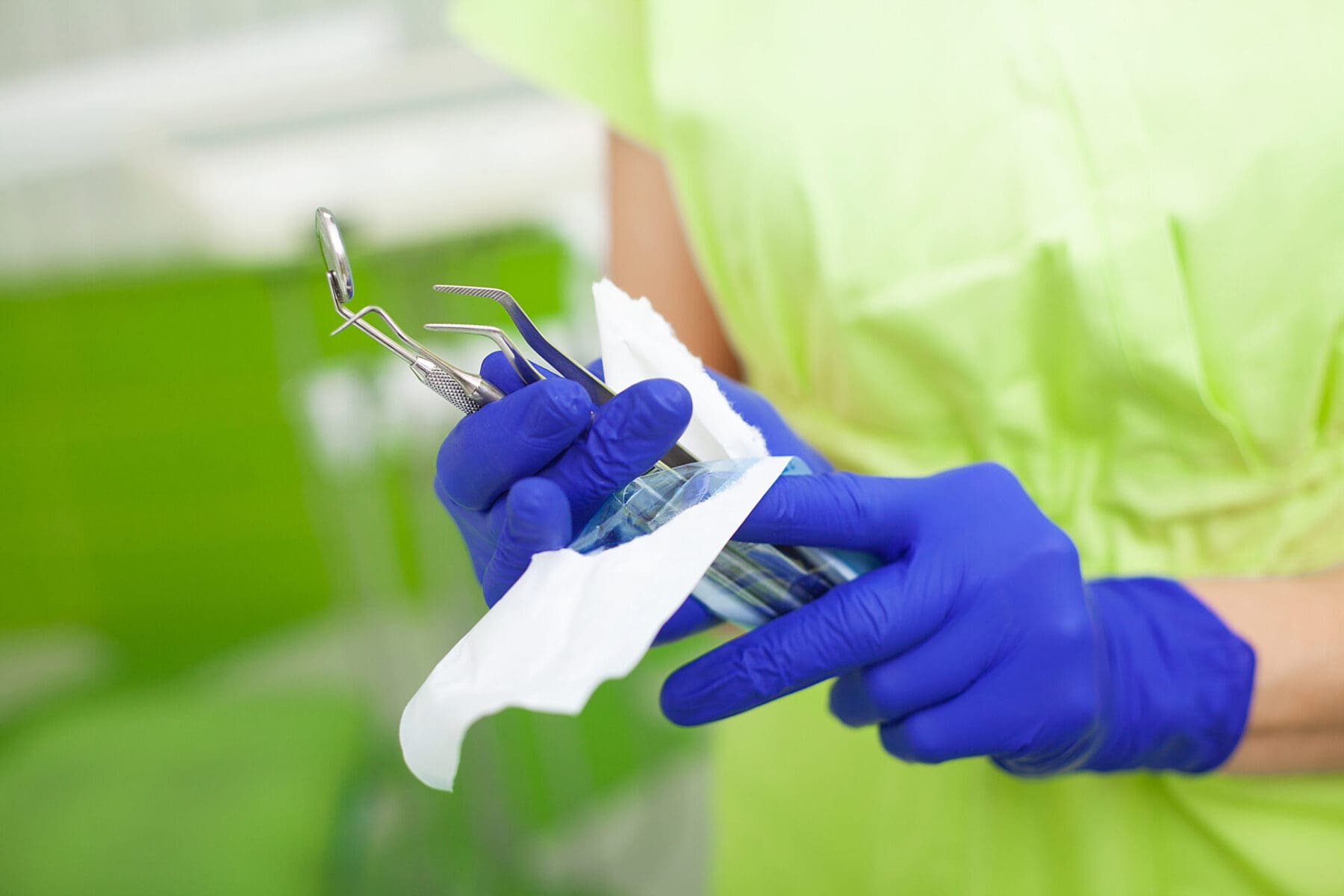
Understanding dental office cleaning frequency requires coordination with clinical schedules. Cleaning teams must work around patient appointments, accommodate emergency slots, and access sterilization areas between procedure blocks.
Established providers develop zone-based protocols that align with how dental teams use their space throughout the day.
Zone-Based Cleaning Protocols
- Patient-accessible zones (reception, waiting areas, restrooms): Cleaned during low-traffic periods without disrupting appointments
- Administrative areas (front desk, private offices, break rooms): Serviced after business hours with standard commercial products
- Semi-restricted zones (hallways connecting clinical areas, consultation rooms): Cleaned between patient blocks using intermediate-level disinfectants
- Restricted clinical zones (operatories, sterilization rooms, surgical suites): Terminal cleaned after final appointments using hospital-grade protocols
Communication Systems That Prevent Disruption
Professional cleaning teams establish clear communication channels with dental staff to coordinate access and address emerging needs.
- Digital checklists shared with office managers showing completed tasks and areas requiring clinical staff notification
- Color-coded room status systems indicating when operatories are clear for deep cleaning versus light turnover
- Supply monitoring protocols that alert practice managers to disinfectant inventory levels before stockouts occur
- Documented cleaning logs that satisfy regulatory inspection requirements and support infection control audits
Product Selection and Application Techniques
Dental practices must balance efficacy against surface compatibility, patient safety, and staff exposure. Professional cleaning teams maintain product knowledge that matches disinfectant chemistry to specific surfaces and contamination types.
Matching Disinfectants to Dental Surfaces
| Surface Category | Appropriate Disinfectant Type | Application Note |
| Vinyl upholstery and chair cushions | Quaternary ammonium or hydrogen peroxide | Avoid phenolics that degrade vinyl |
| Stainless steel and chrome fixtures | Hospital-grade quaternary or alcohol | Prevent streaking with proper buffing |
| Acrylic surfaces and light covers | Mild quaternary solutions | Strong chemicals cause clouding |
| Electronics and touchscreens | 70% isopropyl alcohol wipes | Moisture control prevents damage |
| Sealed flooring | Neutral pH disinfectant cleaners | Maintain floor finish integrity |
Application Techniques Clinical Staff Request
Proper disinfection requires more than spraying and wiping. Dental infection control officers emphasize technique details that maximize pathogen elimination.
- Pre-cleaning before disinfection: Removing visible soil and biofilm so disinfectants contact contaminated surfaces directly
- Saturation coverage: Ensuring surfaces remain visibly wet for the full contact time listed on product labels
- Unidirectional wiping: Moving from clean areas toward contaminated zones to prevent spreading pathogens
- Complete drying: Allowing adequate air-dry time before patient contact to prevent chemical exposure
Quality Assurance Systems for Healthcare Cleaning
Dental practices cannot visually verify pathogen elimination. Professional cleaning programs include verification systems that provide documented proof of thoroughness.
ATP (adenosine triphosphate) monitoring systems measure organic contamination on cleaned surfaces using bioluminescence. Readings above established thresholds indicate inadequate cleaning, prompting immediate re-service.
Documentation Requirements
Regulatory agencies and professional liability insurers increasingly require documented cleaning records. Comprehensive programs provide verification systems that satisfy these requirements.
- Daily task completion logs with time stamps and staff signatures
- Product usage tracking showing EPA registration numbers and dilution ratios
- ATP test results with trending analysis identifying areas requiring protocol adjustment
- Incident reports documenting spills, visible contamination, or protocol deviations
- Staff training records demonstrating ongoing education in healthcare cleaning standards
JAN-PRO Cleaning & Disinfecting Approach to Dental Practice Cleaning
JAN-PRO Cleaning & Disinfecting in Oklahoma delivers specialized protocols developed over three decades of healthcare facility service. Certified cleaning franchisees receive training in infection control principles, regulatory compliance, and dental-specific contamination risks.
The company’s zone-based methodology aligns cleaning intensity with clinical risk levels. High-traffic patient areas receive frequent light cleaning, while sterilization rooms and operatories undergo terminal disinfection using hospital-grade products and documented protocols.
Franchisees serving dental practices across Oklahoma City use color-coded microfiber systems, EPA-registered disinfectants with appropriate contact times, and ATP verification testing. Each practice receives customized checklists reflecting their specific equipment, layout, and procedural focus.
The Centers for Disease Control and Prevention publishes comprehensive infection control guidelines for dental settings that inform professional cleaning protocols.
Dental practices requiring consistent, verifiable cleaning can contact JAN-PRO Cleaning & Disinfecting in Oklahoma at (405) 606-3300. The team operates from 1105 Sovereign Row, serving dental offices throughout the Oklahoma City metropolitan area with customized healthcare cleaning programs.
Frequently Asked Questions About Dental Office Cleaning
How often should dental operatories receive deep cleaning beyond daily turnover?
Operatories require terminal cleaning after each patient using intermediate-level disinfectants on all surfaces within the contamination zone. Weekly deep cleaning addresses areas behind equipment, overhead fixtures, and cabinetry interiors. Monthly intensive cleaning includes moving equipment to access hidden surfaces and performing detail work on ventilation covers and baseboards.
What cleaning certifications matter for dental practice service providers?
Look for teams trained in OSHA Bloodborne Pathogen Standards, CDC infection control guidelines, and proper use of EPA-registered hospital-grade disinfectants. Certification in healthcare cleaning through organizations like ISSA demonstrates specialized knowledge. ATP monitoring competency ensures quality verification capability beyond visual inspection.
Can the same team clean both clinical and administrative areas in dental offices?
Professional teams use zone-based protocols that separate clinical and non-clinical cleaning. Staff clean administrative areas first using standard commercial products, then switch to healthcare-grade disinfectants and dedicated equipment for operatories and sterilization rooms. This sequencing prevents cross-contamination and maintains appropriate infection control standards in patient care zones.
What differentiates dental cleaning from medical office or urgent care cleaning?
Dental procedures generate unique aerosols containing enamel particles, composite materials, and biofilm in addition to blood and saliva. Suction systems, handpiece holders, and curing lights require specialized cleaning knowledge. The concentration of invasive procedures in small operatory spaces creates higher contamination density than typical medical examination rooms.
How do cleaning teams coordinate with dental schedules without disrupting patient care?
Established providers work with practice managers to map cleaning activities around appointment blocks. Light cleaning and restocking occur during mid-day gaps, while intensive operatory disinfection happens after final appointments. Emergency appointment slots require flexible scheduling, and communication systems allow staff to notify cleaning teams of last-minute changes.
About the Author
Carter James
 Carter James is Vice President of Strategy & Development, leading growth strategy, acquisitions, and multi-market expansion within a facility services platform. His background includes corporate strategy, M&A integration, and franchise development. He partners with senior leadership to drive disciplined execution, scalable operations, and long-term value through data-driven, high-accountability leadership.