Commercial facilities rely on structured sanitation programs to maintain safe, hygienic environments for employees, visitors, and customers. However, determining commercial cleaning prices is rarely a simple calculation. Costs typically vary based on operational requirements, building characteristics, and local environmental factors.
In markets such as Central Oklahoma, businesses ranging from offices and healthcare facilities to industrial sites often require tailored cleaning programs. Commercial cleaning providers evaluate several measurable factors to establish appropriate service scopes. Understanding these variables helps organizations interpret pricing structures and recognize why cleaning programs differ from one facility to another.
How Are Commercial Cleaning Prices Determined?
Commercial cleaning prices are the structured costs associated with maintaining cleanliness and sanitation in professional environments such as offices, medical facilities, retail locations, and industrial sites. These prices generally reflect operational requirements rather than a standardized rate.
Professional cleaning providers often determine costs by evaluating factors such as:
- Building size and spatial layout
- Industry-specific sanitation requirements
- Cleaning frequency and scheduling
- Surface materials and floor care needs
- Environmental conditions that affect cleaning workloads
Because commercial facilities vary widely in size, occupancy levels, and operational risks, cleaning programs are commonly customized to address each property’s unique conditions.
Facility Size & Layout (The Biggest Cost Driver)
Among all variables, facility size and layout are typically the most significant factors influencing cleaning scope and operational planning.
Larger buildings require more labor hours, equipment usage, and cleaning materials. In addition, the layout of the property can influence how efficiently cleaning tasks can be completed.
Several layout characteristics commonly affect cleaning operations:
- Square footage: Larger spaces require more time for dust removal, vacuuming, disinfection, and waste management.
- Room configuration: Buildings with numerous small offices, hallways, and meeting rooms can increase cleaning complexity.
- Shared spaces: Lobbies, elevators, restrooms, and breakrooms require higher sanitation attention due to frequent use.
- Floor types: Carpets, tile, vinyl, and specialty surfaces require different maintenance procedures.
For example, a single-floor office building may require a different cleaning workflow compared with a multi-level facility that includes stairwells, elevators, and shared conference areas. Businesses seeking commercial cleaning in Oklahoma City often discover that layout efficiency can significantly affect overall service planning.
Type of Business (Industry Matters)
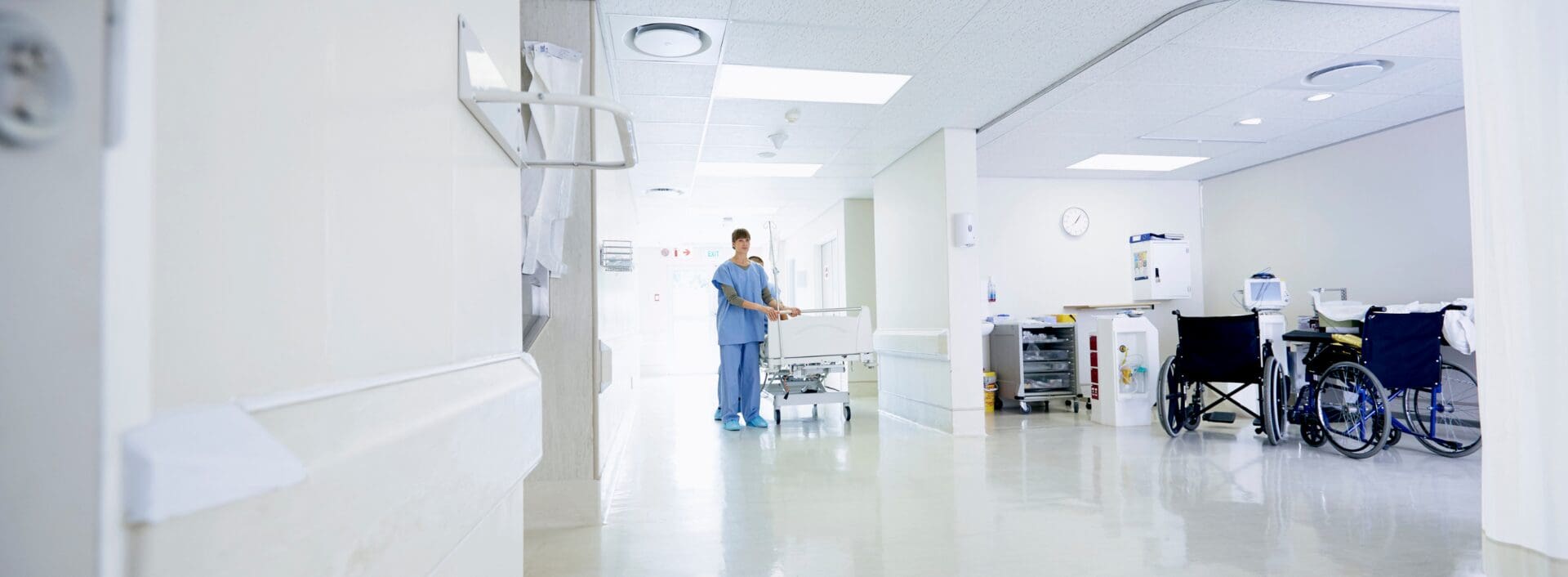
The industry operating within a facility also plays a crucial role in determining the cleaning scope. Different sectors must comply with specific sanitation protocols and operational standards.
Common industry-specific requirements include:
| Industry Type | Typical Cleaning Requirements |
| Offices | Routine surface cleaning, trash removal, restroom sanitation |
| Healthcare | High-level disinfection and compliance with hygiene protocols |
| Retail | Frequent floor cleaning and high-touch surface sanitation |
| Industrial | Dust removal, equipment cleaning, and safety-focused procedures |
| Educational Facilities | Classroom sanitation and high-traffic hallway maintenance |
Healthcare environments, for example, often require specialized sanitation methods due to infection control concerns. The Centers for Disease Control and Prevention (CDC) outlines detailed guidelines for environmental cleaning in healthcare facilities, emphasizing disinfection practices designed to reduce pathogen transmission
Facilities requiring professional cleaning for medical facilities often follow structured sanitation protocols aligned with these types of industry recommendations.
Cleaning Frequency & Schedule
Another significant factor influencing operational planning is how often cleaning services occur. Cleaning schedules typically reflect the level of activity within a facility and the sanitation standards required by the organization.
Common service schedules include:
- Daily cleaning: Frequently used offices, healthcare facilities, and retail spaces
- Multiple visits per week: Medium-traffic professional environments
- Weekly cleaning: Smaller offices or low-traffic administrative buildings
- Specialized periodic services: Floor care, carpet cleaning, or deep disinfection
Facilities with higher foot traffic often require more frequent sanitation procedures, particularly for high-touch surfaces such as door handles, elevator buttons, and shared workspaces.
For example, facilities providing office cleaning in Edmond may operate under different cleaning schedules depending on employee density, workspace configuration, and operational hours.
Central Oklahoma Environmental Factors
Local environmental conditions can also affect cleaning workloads. In Central Oklahoma, regional climate patterns often contribute to specific maintenance challenges for commercial facilities.
Common environmental influences include:
- Dust and airborne particles: Wind patterns across Oklahoma frequently carry dust that accumulates on surfaces and floors.
- Seasonal weather: Rain and storm activity can introduce mud, debris, and moisture into entryways and common areas.
- Temperature fluctuations: Seasonal temperature changes may affect HVAC performance and indoor air quality.
- Pollen and allergens: Spring and fall seasons often increase airborne allergens entering commercial buildings.
These conditions can increase the frequency of tasks such as floor cleaning, entryway maintenance, and high dusting. As a result, commercial cleaning programs in the region often incorporate environmental considerations into maintenance planning.
How JAN-PRO Cleaning & Disinfecting in Central Oklahoma Approaches Commercial Cleaning
Established commercial cleaning providers often rely on structured operational systems to evaluate facility requirements and develop appropriate sanitation plans.
JAN-PRO Cleaning & Disinfecting in Central Oklahoma applies professional cleaning processes designed to address the unique needs of different industries and building types. Certified cleaning franchisees evaluate facility size, layout complexity, environmental factors, and industry requirements to determine the most effective sanitation approach.
Commercial facilities across the region—including offices, healthcare environments, and industrial spaces—benefit from structured cleaning programs designed to maintain consistent hygiene standards.
JAN-PRO Cleaning & Disinfecting in Central Oklahoma operates from 1105 Sovereign Row, Oklahoma City, and businesses seeking additional information about professional cleaning services may contact the local office at (405) 606-3300.
Conclusion
Commercial cleaning programs are influenced by a range of operational factors rather than a single standardized metric. Facility size and layout typically represent the most significant variable, while industry requirements, cleaning frequency, and environmental conditions also play important roles.
In Central Oklahoma, factors such as dust levels, seasonal weather, and high-traffic commercial environments can further influence cleaning workloads. Professional cleaning providers typically evaluate these variables through structured facility assessments to determine the most appropriate sanitation program for each building.
Understanding the elements that affect commercial cleaning prices helps businesses interpret how cleaning services are structured and why sanitation programs vary from one commercial environment to another.
Frequently Asked Questions About Commercial Cleaning Prices
What factors most influence commercial cleaning prices?
Several operational variables influence commercial cleaning prices in professional facilities. The most common factors include building size, layout complexity, cleaning frequency, industry requirements, and surface materials. Environmental conditions, especially in regions like Central Oklahoma, where dust and seasonal weather affect buildings, may also influence maintenance workloads.
Why does facility size affect cleaning costs the most?
Facility size determines the amount of labor, equipment use, and time required to complete cleaning tasks. Larger properties require more extensive floor care, waste removal, restroom sanitation, and surface disinfection. Buildings with multiple floors or complex layouts may also increase the number of operational steps needed to maintain cleanliness.
How does the type of business affect cleaning requirements?
Different industries follow different sanitation standards. Offices typically require routine surface cleaning and waste removal, while healthcare facilities often require strict disinfection protocols to reduce contamination risks. Industrial facilities may require dust control and specialized equipment cleaning due to operational processes.
Does cleaning frequency impact commercial cleaning prices?
Yes. The number of service visits scheduled each week can influence the overall scope of work. Facilities with daily cleaning schedules generally require ongoing sanitation of high-touch areas, restrooms, and floors, while buildings with lower occupancy may require fewer service visits.
Do local environmental conditions affect cleaning needs?
Environmental conditions can influence maintenance requirements. In Central Oklahoma, airborne dust, seasonal storms, and pollen levels can contribute to faster accumulation of debris and particles in commercial buildings. These conditions may increase the need for tasks such as high dusting, entryway cleaning, and floor maintenance.
About the Author
Carter James
 Carter James is Vice President of Strategy & Development, leading growth strategy, acquisitions, and multi-market expansion within a facility services platform. His background includes corporate strategy, M&A integration, and franchise development. He partners with senior leadership to drive disciplined execution, scalable operations, and long-term value through data-driven, high-accountability leadership.