Commercial cleaning prices are influenced by several operational and environmental factors that affect how facilities are maintained. In Louisiana, businesses across industries rely on janitorial services and structured office cleaning programs to maintain sanitary workspaces, protect building assets, and meet health standards.
Unlike residential cleaning, commercial facility maintenance often involves larger spaces, specialized equipment, and strict sanitation protocols. These requirements mean that cleaning programs must be designed around specific operational needs, building layouts, and environmental conditions.
Understanding what influences commercial cleaning costs can help facility managers, property owners, and operations teams better plan long-term maintenance strategies.
What Are Commercial Cleaning Prices?
Commercial cleaning prices refer to the cost associated with maintaining professional cleaning services in business environments. These services typically include recurring janitorial services, specialized sanitation procedures, and facility maintenance tasks.
In most commercial environments, cleaning programs may include:
- Routine office cleaning
- Floor care and surface maintenance
- Restroom sanitation
- Waste management
- High-touch surface disinfecting
- Specialized services for healthcare or industrial facilities
The final cost of a cleaning program often depends on a combination of building characteristics, service requirements, and environmental conditions.
Key Factors That Influence Cleaning Costs in Commercial Facilities
Cleaning service costs are rarely determined by a single factor. Instead, they reflect the complexity of maintaining a particular facility. The most common factors include building size, cleaning frequency, surface types, and sanitation requirements.
1. Size of the Facility
Larger facilities typically require more labor hours, equipment, and supplies. Cleaning teams must cover greater square footage, which directly affects operational planning.
Large commercial spaces often include:
- Offices
- Hallways and common areas
- Restrooms
- Breakrooms and kitchens
- Storage or warehouse areas
As facility size increases, cleaning programs may also require specialized equipment such as floor scrubbers or high-reach dusting tools.
2. Cleaning Frequency and Scheduling
The frequency of janitorial services also influences overall cleaning costs.
Common cleaning schedules include:
- Daily cleaning
- Multiple times per week
- Weekly maintenance
- Periodic deep cleaning
High-traffic environments such as healthcare facilities, retail stores, and schools often require more frequent sanitation.
Businesses researching commercial cleaning services in Louisiana typically evaluate how cleaning frequency aligns with operational needs and facility occupancy levels.
3. Type of Industry and Compliance Requirements
Different industries require different levels of sanitation and specialized cleaning.
Examples include:
- Healthcare environments requiring medical-grade disinfecting
- Food service facilities requiring strict hygiene protocols
- Manufacturing plants requiring industrial cleaning methods
- Corporate offices requiring routine office cleaning
Facilities with strict regulatory standards often require specialized training, cleaning agents, and verification processes.
For example, organizations such as the Centers for Disease Control and Prevention (CDC) outline sanitation practices that reduce contamination risks in public environments, emphasizing structured cleaning protocols in high-touch areas.
These standards often shape how janitorial services are designed.
4. Floor Types and Surface Materials
Commercial floors vary widely across buildings, and each surface requires specific maintenance methods.
Common commercial flooring materials include:
- Tile and grout
- Vinyl composition tile (VCT)
- Carpet
- Concrete
- Hardwood or laminate
Each surface type requires different cleaning procedures, tools, and maintenance schedules.
For example:
- Carpeted offices may require periodic extraction cleaning.
- Tile flooring requires grout maintenance.
- VCT floors often require stripping and waxing.
Facilities with multiple flooring types typically require a broader range of services.
5. Building Layout and Accessibility
The physical layout of a building can significantly influence operational cleaning efficiency.
Cleaning teams must consider factors such as:
- Multiple floors or stairwells
- Large open areas versus small offices
- High ceilings requiring specialized equipment
- Restricted areas requiring special access
Facilities with complex layouts often require additional time and planning during cleaning routines.
6. Environmental Conditions in Louisiana
Louisiana’s climate presents unique challenges for facility maintenance.
High humidity levels, heavy rainfall, and seasonal weather patterns can increase cleaning demands.
Environmental factors affecting cleaning programs include:
- Moisture buildup on floors
- Increased dirt and debris tracked indoors
- Mold and mildew risks in humid environments
- Seasonal storms introducing exterior debris
These environmental conditions often require more frequent maintenance of entryways, floors, and high-touch surfaces.
Cost-Factor Checklist for Louisiana Facilities
Facility managers evaluating cleaning programs often consider several environmental and operational factors that affect long-term cleaning needs.
Key cost considerations include:
- Humidity levels: Louisiana’s moisture-heavy climate increases cleaning frequency for floors and surfaces.
- Floor type: Carpet, tile, and VCT floors require different maintenance procedures.
- Foot traffic: Retail stores, hospitals, and schools experience heavier daily use.
- Industry regulations: Healthcare and food service facilities require stricter sanitation.
- Building size: Larger buildings require more time, labor, and equipment.
- Cleaning frequency: Daily cleaning programs require more operational planning.
Understanding these variables helps businesses evaluate how janitorial services are structured.
The Role of Specialized Cleaning Services
In some industries, basic janitorial services are supplemented with specialized sanitation procedures.
Examples include:
- Laboratory sanitation
- Healthcare facility disinfecting
- Industrial degreasing
- Electrostatic disinfecting
- Carpet extraction
Healthcare facilities in particular often rely on advanced sanitation protocols. For instance, some facilities incorporate advanced medical cleaning techniques designed to reduce contamination risks and maintain sterile environments. These specialized cleaning procedures often require additional training, certified equipment, and compliance with industry guidelines.
Why Office Cleaning Programs Vary Across Cities
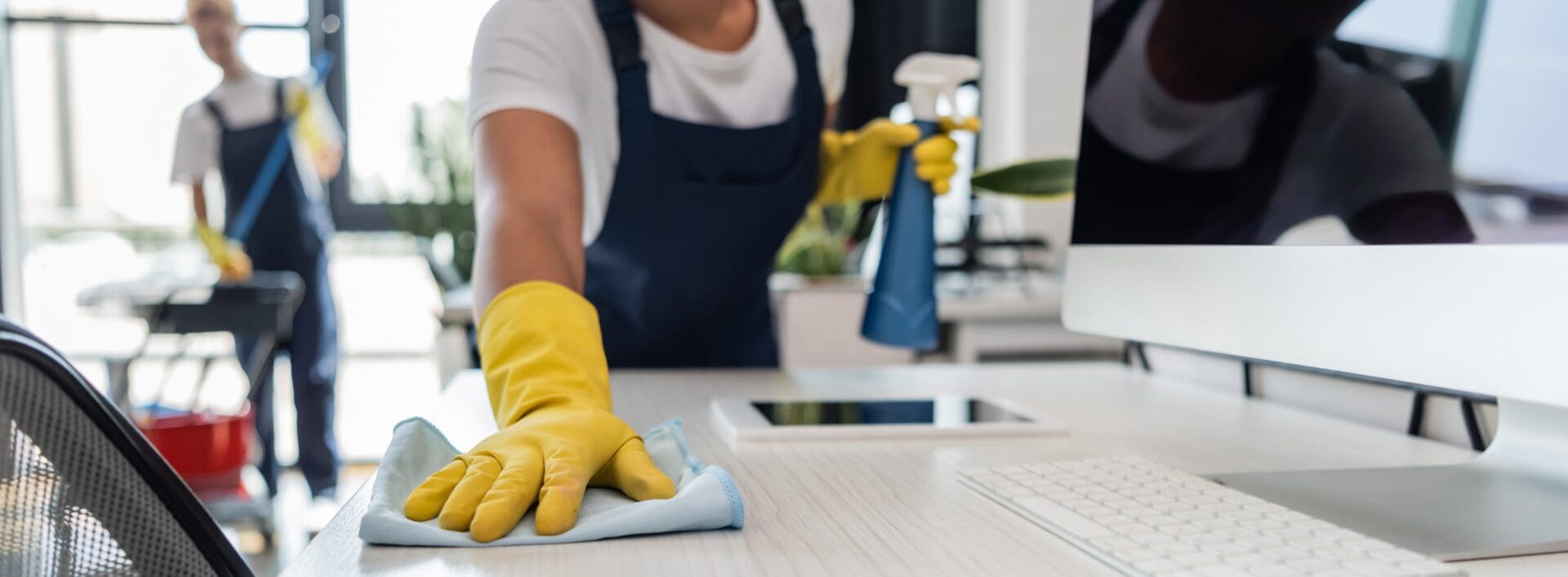
Office cleaning requirements can differ across Louisiana cities due to differences in building types, climate exposure, and population density. Urban office buildings typically experience higher daily traffic compared to smaller commercial facilities. Larger corporate buildings may also require cleaning outside standard business hours.
Businesses researching office cleaning in Lafayette, LA often evaluate how cleaning schedules align with employee occupancy and operational hours. Consistent maintenance helps ensure that workplaces remain organized, hygienic, and functional.
How Professional Cleaning Providers Structure Service Programs
Professional cleaning providers typically conduct a facility assessment before developing a maintenance plan.
This process may include:
- Evaluating building size and layout
- Identifying high-traffic areas
- Reviewing sanitation requirements
- Assessing flooring types and materials
- Determining cleaning frequency
Based on these observations, cleaning programs can be structured to match the operational needs of each facility. This systematic approach helps ensure that cleaning resources are allocated effectively across the building.
How JAN-PRO Cleaning & Disinfecting Supports Louisiana Businesses
Commercial facilities across Louisiana often require structured cleaning programs tailored to the region’s climate, building types, and industry regulations. JAN-PRO Cleaning & Disinfecting in Louisiana has supported businesses for more than 30 years through professional cleaning systems and trained franchisees who deliver consistent cleaning results across multiple industries.
Certified franchisees apply detailed cleaning protocols, modern equipment, and professional methodologies when providing janitorial services and office cleaning programs. These processes help address common facility challenges such as humidity exposure, high foot traffic, and sanitation compliance requirements.
JAN-PRO Cleaning & Disinfecting in Louisiana operates from 200 Commercial Sq, Slidell, LA, and can be reached at (504) 434-3949. Through structured facility assessments and operational planning, commercial properties throughout Louisiana can maintain effective cleaning programs designed for long-term facility maintenance.
FAQs About Commercial Cleaning Prices
What factors affect commercial cleaning prices the most?
The most significant factors include building size, cleaning frequency, industry requirements, flooring types, and foot traffic levels.
Why do different industries require different cleaning services?
Industries such as healthcare, food service, and manufacturing operate under strict sanitation guidelines. These environments often require specialized equipment and cleaning protocols.
How does climate affect cleaning needs in Louisiana?
Louisiana’s humid climate increases moisture levels indoors, which can contribute to mold risks, floor contamination, and higher cleaning frequency.
What is typically included in janitorial services?
Janitorial services commonly include trash removal, restroom cleaning, surface disinfecting, floor maintenance, and routine office cleaning.
Why do large buildings require more structured cleaning programs?
Large facilities contain more surface areas, rooms, and high-traffic zones. Structured cleaning programs help ensure all areas are maintained consistently and efficiently.
Conclusion
Commercial cleaning prices are influenced by a wide range of operational, environmental, and structural factors. Building size, cleaning frequency, industry standards, and flooring materials all play an important role in shaping facility maintenance requirements.
In Louisiana, environmental conditions such as humidity and seasonal weather patterns can further affect cleaning needs. Businesses that understand these factors are better positioned to develop maintenance strategies that maintain sanitation, safety, and building longevity.
Structured janitorial programs help ensure that commercial spaces remain clean, functional, and compliant with industry standards.
About the Author
Carter James
 Carter James is Vice President of Strategy & Development, leading growth strategy, acquisitions, and multi-market expansion within a facility services platform. His background includes corporate strategy, M&A integration, and franchise development. He partners with senior leadership to drive disciplined execution, scalable operations, and long-term value through data-driven, high-accountability leadership.